Setting the Right Number: Pricing Strategies in Billings, MT for 2026
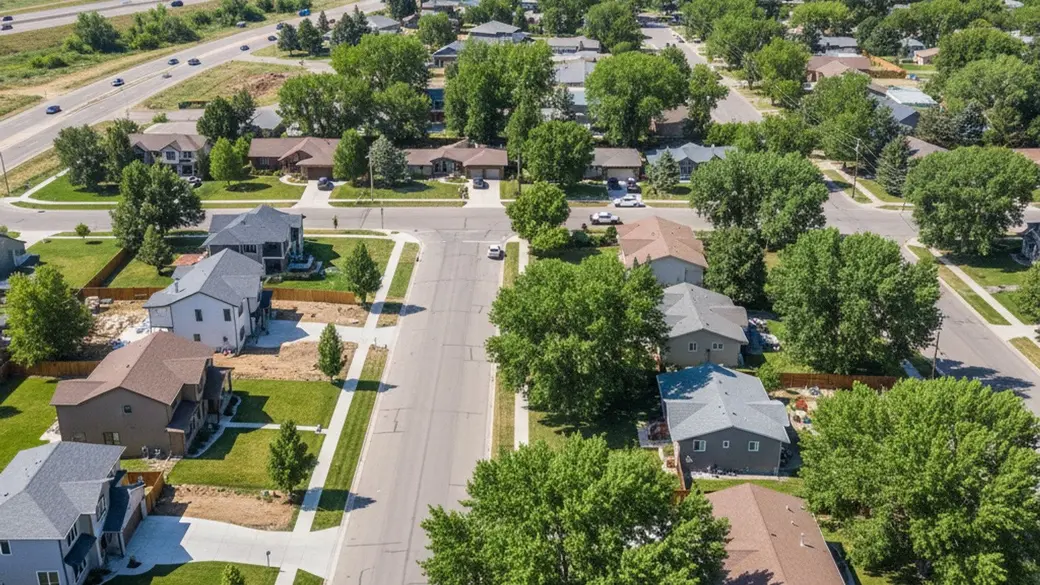
The median listing price in Yellowstone County, Montana sits around $400,000 this spring. Sellers who want to maximize their return need to look closely at local sales data rather than national headlines. Real estate trends vary wildly from state to state, making local knowledge your best asset.
Finding the sweet spot for your selling price requires understanding current buyer behavior. With inventory stabilizing across the Billings area, buyers have more choices and are less willing to pay inflated premiums. You should approach your listing with a clear understanding of the competitive landscape.
The days of throwing a high number at the wall to see what sticks are over. Buyers today are calculating their monthly payments down to the dollar before scheduling a showing. Setting a realistic price point from day one generates more foot traffic and stronger initial offers.
What the Billings Real Estate Market Looks Like Now
Homes in Billings are currently spending an average of 90 to 106 days on the market. This timeline represents a clear shift from the frenzied buying pace seen between 2021 and 2023. Sellers should plan their listing schedules around a standard three-month marketing window.
The median home price in the Billings area remains steady between $390,000 and $410,000 as of May 2026. Active listings have increased, giving house hunters more leverage during negotiations. A well-researched price point helps your property stand out among the expanding inventory.
Buyers are taking their time to evaluate the cost of living and long-term affordability. They review property taxes, insurance rates, and utility costs before making a commitment. If your home is priced too far above comparable properties, these careful buyers will simply move on to the next listing.
How Local Features Impact Your Property Value
A house located just five minutes from downtown will pull different offers than a similar property on the western edge of town. Appraisers and buyers both look at neighborhood features when determining affordability and overall value. Minor shifts in geography change daily commute times and access to major commercial centers.
Buyers weigh these location perks against the asking price before scheduling a tour. Properties close to major employers or outdoor recreation areas consistently command higher offers. Understanding these local draws helps you justify your listing price to potential buyers.
Walkability also plays a role in how buyers perceive a home's value. Neighborhoods with sidewalks, nearby parks, and easy access to grocery stores often sell faster than isolated subdivisions. You should factor these surrounding amenities into your overall pricing strategy.
Homes Near the Rimrocks
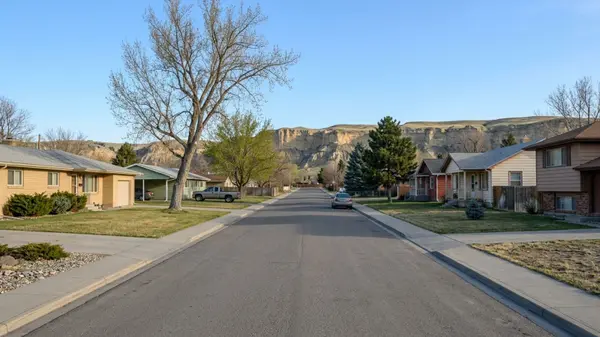
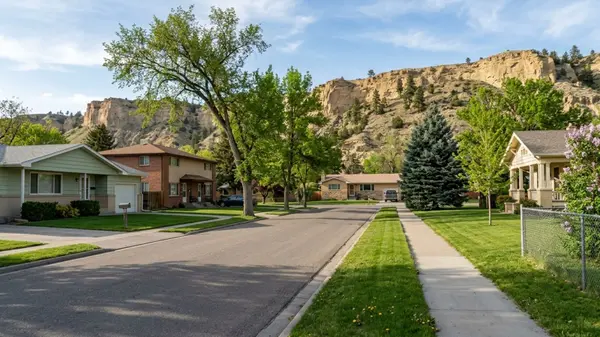
Properties positioned along the Rimrocks offer elevated views and immediate access to outdoor trails. Buyers are often willing to pay a premium for these natural amenities.
Sellers in these elevated neighborhoods should highlight trail connectivity in their listing descriptions. Pricing strategies in Billings, MT often reflect a direct correlation between outdoor access and higher final sales numbers.
Proximity to the Billings Clinic
The Billings Clinic and other major medical centers employ thousands of residents. Homes located within a short drive of these facilities see consistent demand from healthcare workers moving into the region.
If your property sits in the medical corridor, you should factor this built-in buyer pool into your pricing. Reduced commute times add tangible value to your home.
Access to Interstate 90 and Route 3
Daily travel times dictate where many buyers choose to focus their search. Homes with quick access to Interstate 90 or Route 3 provide straightforward routes to the broader Yellowstone County region.
Neighborhoods near these main arteries appeal to buyers who prioritize efficiency. Sellers should emphasize this connectivity when setting their competitive pricing.
Setting a Price Point Based on Home Style
A historic property in the center of town requires a different pricing approach than a modern build on the outskirts. Buyers evaluate older homes based on renovation potential, while they look at new builds for immediate move-in readiness. The age, style, and condition of your property dictate which comparables you should use.
Pricing a home accurately means matching your property type with current market expectations. You need to account for energy efficiency, lot size, and shared community expenses. Each housing category comes with its own set of buyer priorities.
A real estate agent can help you identify which features are currently driving demand in your specific property category. Buyers shopping for a condo have entirely different financial thresholds than those looking for a five-bedroom house. Aligning your price with the right demographic prevents your listing from sitting stagnant.
New Construction in the West End
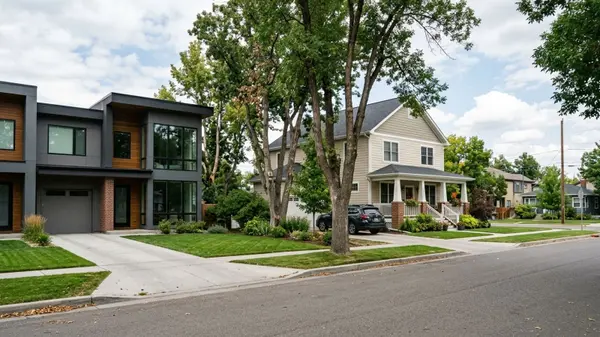
Newly built homes in the West End typically list between $400,000 and $500,000. These properties feature modern energy standards, open floor plans, and builder warranties that appeal to buyers wanting a turnkey experience.
When pricing a new build, sellers should emphasize the long-term savings associated with modern insulation and updated HVAC systems. These reduced maintenance costs help justify a higher initial purchase price.
Older Ranch Homes in Central Billings
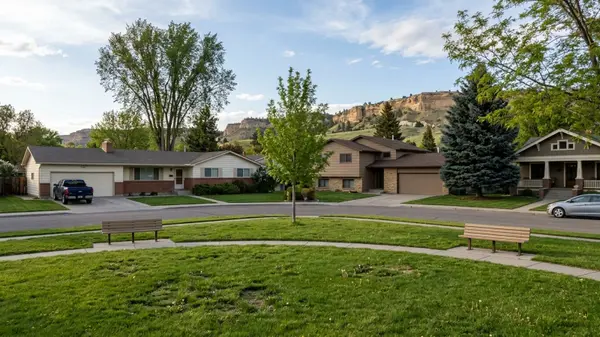
Mid-century ranch homes in Central Billings often hit the market at prices under $350,000. These single-story properties attract buyers looking for established trees and larger, traditional lots.
Pricing these older homes requires adjusting for any deferred maintenance or outdated finishes. If you recently updated the kitchen or roof, you should price the home closer to the top of the neighborhood range.
Townhouses and Condominiums
Attached housing options offer a lower entry price but come with monthly Homeowner Association dues. Buyers factor these recurring HOA fees directly into their monthly affordability calculations.
When setting a price for a townhouse, you should review what the association covers. Properties with comprehensive maintenance and shared amenities can support slightly higher asking prices.
Using a Comparative Market Analysis to Find Your Selling Price
A Comparative Market Analysis helps sellers establish a baseline value using recent, local sales data. Real estate professionals use this tool to remove emotion from the pricing process and rely entirely on documented transactions. This data-driven approach prevents sellers from overpricing their homes and missing early buyer interest.
Building an accurate analysis requires comparing your property to homes that have already closed, rather than active listings. Active listings only show what other sellers hope to get, while closed sales prove what buyers are willing to pay. You should follow a systematic process to gather and interpret this data.
A well-executed market analysis also provides a defense if a buyer tries to lowball your listing. When you have hard data showing recent sales in your exact neighborhood, you can stand firm on your asking price. This preparation gives you confidence during the negotiation phase.
Pulling Recent Sales Data
You should limit your comparable sales to homes that closed within the last three to six months. The real estate market shifts quickly, and older data will not reflect current buyer behavior or interest rates.
Keep your search boundaries tight to ensure the data remains relevant. Focus on properties within a one-mile radius or within the exact same subdivision.
Comparing Property Details
Once you have a list of recent sales, narrow it down by matching core property features. Look for homes with a similar square footage, bedroom count, and overall lot size.
Differences in floor plans can alter a home's value, even if the total square footage matches. A home with three bedrooms on the main level will price differently than one with bedrooms split across a basement.
Adjusting for Upgrades and Repairs
No two homes are identical, so you must adjust your baseline price to reflect specific differences. Add value for premium upgrades like quartz countertops, new windows, or a finished basement.
Conversely, you should subtract value for any necessary repairs or outdated systems. A realistic assessment of your home's condition ensures your final price point aligns with buyer expectations.
Price is only one part of the decision. If you are also weighing a cash offer, an as-is sale or preparing the home first, compare them on the Billings home selling options page.
Common Questions About Selling in Yellowstone County
How does the Billings real estate market compare to Bozeman?
Homes in Billings offer a much lower entry point, with median prices hovering around $400,000 compared to Bozeman's luxury-heavy market. This affordability draws buyers who are priced out of Gallatin County but still want access to Montana's outdoor lifestyle. Sellers benefit from a steady stream of incoming residents looking for a lower cost of living.
Should I rely on an online estimate to price my home in Billings?
Automated online valuation tools often miss local nuances like a home's proximity to the Rimrocks or recent interior updates. These algorithms pull broad county data, which can skew your property's value by tens of thousands of dollars. A localized market analysis provides a much sharper picture of your home's true worth.
Categories
Recent Posts