Cost of Living In Billings MT
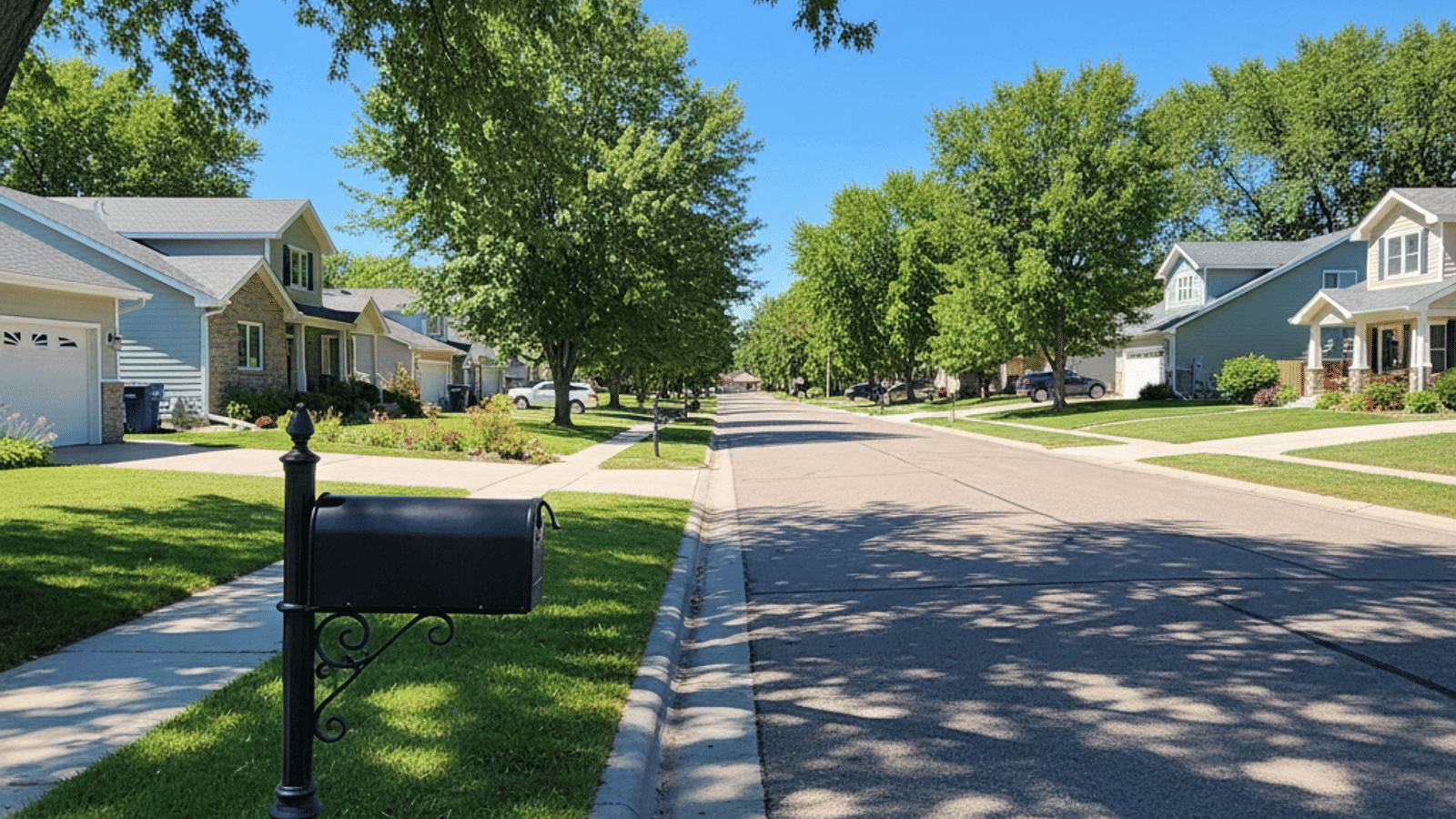
Billings is Montana’s largest city by population and serves as a regional hub for commerce, healthcare, and transportation.
With many people searching for homes for sale in Billings, we wanted to break down the main line items that determine the cost of living in Billings so you can plan a move, run a living-cost comparison, or use a cost of living calculator with realistic local numbers.
Is It Expensive To Buy A Home In Billings MT?
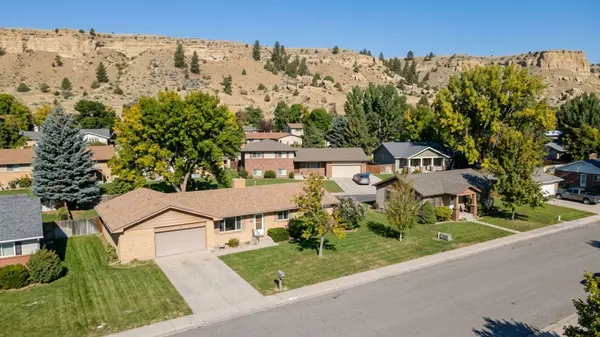
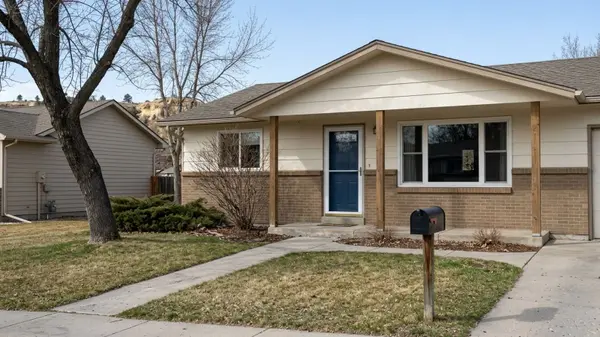
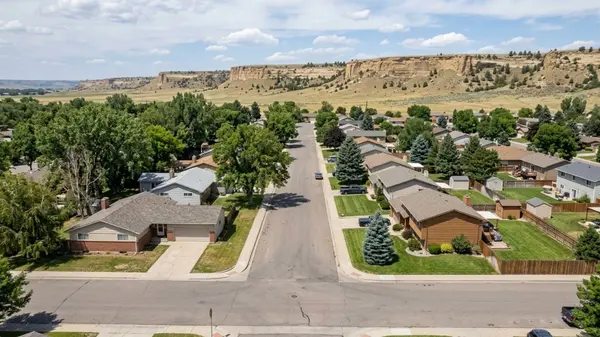
Housing in Billings is generally more affordable than many U.S. metros but is not the cheapest place in Montana. Zillow’s local home-value index lists the typical Billings home value at roughly $389,900 as of December 2025, showing only modest year-over-year change in 2025; that places Billings below many coastal markets but above lower-cost rural areas.
Affordability depends on your target property. BestPlaces reports a “typical home” figure near $369,900 and notes that housing in Billings is about 9% more expensive than the U.S. median but still cheaper than Montana’s state average on certain measures. If you are budgeting for a median home price in Billings, plan around the Zillow/BESTPLACES figures above while allowing for neighborhood and home-type variation.
What is the Average Rent in Billings MT?
Average monthly rent for apartments in Billings sits roughly in the $1,300–$1,550 range depending on source and bedroom count. Zillow’s rental market snapshot from early December 2025 shows an overall average rent around $1,500 per month, with a two-bedroom commonly listed near $1,340–$1,552 depending on dataset and provider.
What Are The Taxes In Billings MT?
Montana has no statewide sales tax, which reduces costs on many consumer goods compared with states that levy sales taxes at the state and local level. However, property taxes, local levies, and specific service fees still affect annual household costs. For typical budgeting, remember that property tax and utility bills are the two major local taxes/fees to plan for.
How High Are Property Taxes in Billings MT?
Property tax bills vary because they depend on assessed value and local mill levies. Yellowstone County provides public tax statements and mill-levy information; example tax statements for 2025 show annual bills in a wide range depending on home value and taxing districts.
For planning, assume property taxes equal a small but material share of annual housing costs and check the Yellowstone County Treasurer pages for exact mill levies for a given property.
What Are the Average Monthly Utility Bills in Billings MT?
Expect typical monthly utility bills like electricity, natural gas where used, water, sewer, and garbage to run lower than in high-cost states, but colder winters increase heating and seasonal costs. The U.S. Energy Information Administration shows Montana residential electricity prices below the national average in recent state profiles, which helps keep electricity line items modest compared with many states.
For internet and mobile, budget roughly $50–100 monthly; MIT’s living wage calculator uses an annual Internet & Mobile figure that converts to roughly $160 per month in its Billings calculation. Add water and sewer bills and you’ll commonly see combined utility spending; excluding heating fuel in very cold months; in the low-to-mid $100s per month for many smaller households.
How Much Should I Budget for Groceries in Billings MT?
Grocery costs in Billings run close to the national average. BestPlaces lists a grocery index slightly above 100 for Billings, and the Bureau of Labor Statistics’ CPI releases through 2025 show food-at-home inflation continuing to move month-to-month; use the most recent CPI month when you plug numbers into a monthly budget.
A reasonable grocery budget for a single adult is commonly $250 to $450 per month, depending on diet and shopping habits. Cite and date any grocery figure you use in your living-cost comparison.
How Much Does Transportation Cost in Billings MT?
Most residents drive. Data on commute mode shows the majority of Billings workers commute by car and average commute times are modest, making vehicle ownership the default transportation cost for planning.
City transit exists and can lower costs if your routine fits fixed routes; fares are low with one-way adult fare at $2.00, and a monthly pass at $28 as of City of Billings published fare info. For a household that relies on a vehicle, plan for car payment, insurance, fuel, maintenance, and parking; for someone who will primarily ride MET and occasional rideshares, the transit fares above are a useful baseline.
What is the Median Household Income in Billings MT?
The most recent community data aggregators report a median household income for Billings in the low-to-mid $70,000s.
DataUSA reports a 2023 median household income of about $71,855 for Billings; use that as your benchmark when comparing wages to local costs and when using a living wage or cost of living calculator. Remember that median household income lags calendar years and is often published with an ACS reference year; always note the year when you cite it.
How Does the Cost of Living in Billings MT Compare to the National Average?
BestPlaces compiles a city cost of living index and gives Billings a score of about 94.6, which it interprets as roughly 5.4% less expensive than the U.S. average overall. That means the overall cost of housing, food, childcare, transportation, healthcare, and taxes in Billings tends to be lower than the national composite.
However, specific categories like housing or miscellaneous items may be above or below the national level. In practice, people often find housing and transportation are the big drivers: rent and monthly mortgage payments tend to be lower than national metro averages while groceries and some goods and services are near national norms.
FAQs
What is the overall cost of living in Billings compared with other Montana cities?
Billings’ overall cost of living is slightly lower than the U.S. average and generally comparable with other mid-sized Montana cities. BestPlaces’ index gives Billings a score around 94.6, suggesting it is a bit cheaper than many U.S. metros but not the least expensive in Montana. If you’re using a cost of living calculator to compare Billings versus another city, plug local rent/mortgage, utility, and transport numbers for the clearest result.
How much salary do I need to live in Billings comfortably?
“Comfortable” depends on household size and lifestyle. The MIT Living Wage Calculator provides concrete targets: MIT’s tables show required annual pre-tax incomes starting at roughly $46,000 for one-adult households and rising for larger household configurations, reaching into the six-figure range for the highest-cost setups. Use those MIT figures alongside your housing and other household expense estimates when you run a living-wage or cost-of-living calculator.
How much should I budget for utilities per month in Billings?
Expect electricity, internet, water, and trash to typically add up to low-to-mid hundreds per month for many households outside extreme seasonal heating months. Montana’s electricity prices are below the U.S. average, which helps keep utility bills moderate compared with higher-priced states. Add heating fuel for cold months if your home uses propane or oil.
Are public transportation options available for daily commutes?
Yes. Billings MET Transit operates fixed routes and passes; fares are modest with one-way at $2, and a monthly pass at $28 as published by the City of Billings. However, most residents still rely on cars for commuting and errands, so budget for vehicle costs unless you live and work on or near a bus route.
Categories
Recent Posts