The Ultimate 2026 Downtown Billings, MT Area Guide for Property Buyers
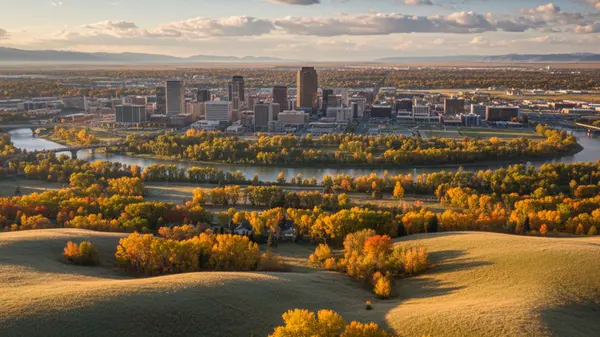
Billings stands as Montana's largest city, and its central grid has transformed significantly over the last decade. Buyers looking at the urban core today will find a vibrant mix of historic architecture and modern commercial spaces.
Exploring the local market requires an understanding of both the shifting property types and the recent zoning updates. This downtown billings, mt area guide provides the essential data and neighborhood insights needed to navigate the 2026 real estate landscape.
Welcome to Downtown Billings: The Urban Core
The center of Billings operates as a dynamic, mixed-use district where residential buildings sit alongside active commercial fronts. Local property owners and ongoing urban renewal projects have successfully expanded the neighborhood footprint.
Sidewalk upgrades and storefront renovations over the past few years have created a highly walkable environment. Buyers prioritizing proximity to daily conveniences will find this central location offers a distinct alternative to traditional suburban subdivisions.
Historic Lofts and Modern Condominiums
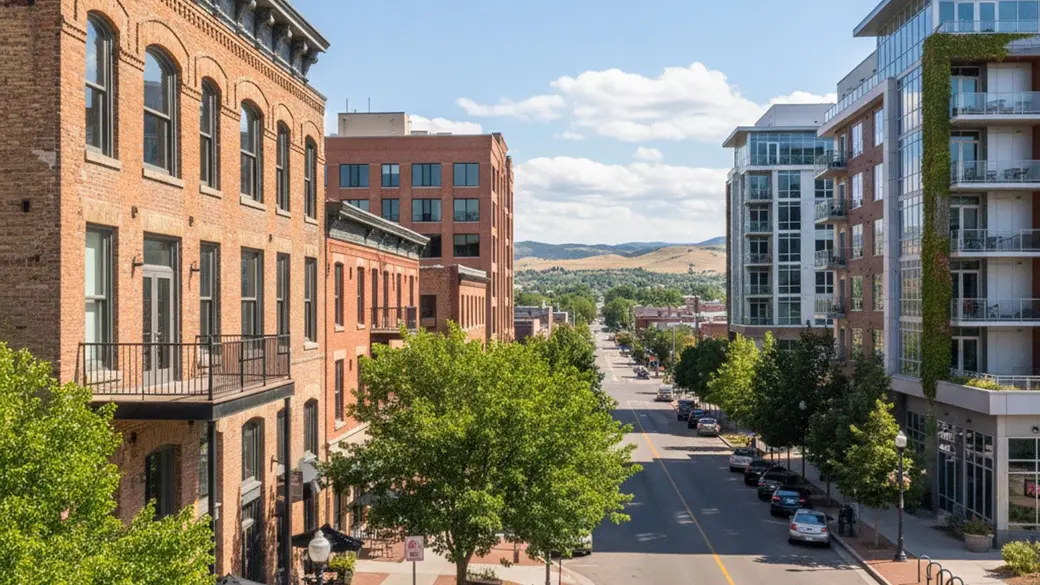
The residential inventory heavily favors attached housing, with converted historic lofts standing out as premium properties. These units typically feature exposed brick, high ceilings, and updated modern amenities.
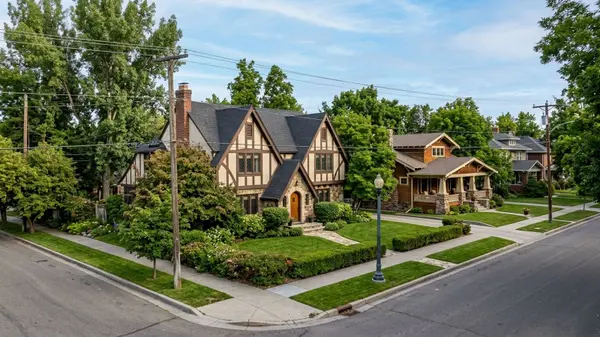
Mid-rise condominiums provide another option, often delivering wide views of the surrounding Montana landscape. Buyers looking for detached properties will find a selection of historic single-family homes located just on the immediate edges of the main commercial grid.
2026 Downtown Billings Real Estate Market Trends
Pricing in the city center reflects the ongoing demand for walkable urban living. Standard condominiums typically range from $295,000 to $515,000, depending on the square footage and building amenities.
The luxury market operates in a different tier, with top-tier converted lofts frequently exceeding $800,000. Properties in this area move at a moderate pace, with the average days on market sitting roughly between 32 and 45 days.
Understanding the 2026 property tax structure is critical for anyone purchasing in the downtown corridor. Owner-occupants pay a base rate of 0.76% on primary residences up to $378,000, while investment properties and second homes are subject to a 1.9% flat rate. This tiered system makes primary homeownership notably more advantageous than holding rental investments in the central district.
Dining, Entertainment, and Culture
The commercial district balances historical institutions with a dense concentration of modern dining venues. Residents enjoy immediate access to a walkable grid packed with locally owned businesses.
This proximity to amenities means residents can often replace driving with walking for their evening entertainment. The heavy presence of independent shops and eateries gives the neighborhood a distinct, localized identity compared to the franchise-heavy corridors outside the city.
The Arts and Cultural Anchors
The Alberta Bair Theater serves as a primary cultural anchor, bringing national touring performances and local productions right to the city center. This venue drives significant foot traffic and supports the surrounding evening economy.
Just a few blocks away, the Yellowstone Art Museum and the Western Heritage Center offer extensive exhibits detailing regional history and contemporary art. These institutions provide permanent educational and cultural resources for downtown residents.
Montana Avenue Restaurants and Breweries
Montana Avenue acts as the central hub for local dining, featuring a mix of fine dining establishments, comfort food diners, and historic taverns. The area is also famous for its walkable brewery trail, which includes the very first brew pub established in the region.
Casual local staples like Big Dipper Ice Cream and Rock Creek Coffee provide daily gathering spots for residents. Having this density of food and beverage options within a few blocks is the primary draw for buyers choosing the downtown lifestyle.
Local Parks and Outdoor Recreation
While known for its urban density, the downtown area still provides structured access to outdoor recreation. Pioneer Park sits close by, offering extensive green space, mature trees, and paved walking paths.
Dehler Park serves as another major recreational hub, hosting local sports events and drawing crowds during the summer months. Buyers should note that while private yards are rare in the city center, public green spaces are heavily utilized and well-maintained.
For more expansive outdoor access, residents can quickly reach the Yellowstone River. Several trailheads and access points located just south of the downtown grid connect the urban environment to the broader Montana landscape.
Commute Times and Public Transit
Navigating the city from the central grid is highly efficient, whether driving or utilizing public transportation. The MET Transit Downtown Transfer Center, located at 220 N 25th Street, serves as the primary hub for the entire bus network.
The Route 1 Downtown Circulator makes moving around the immediate commercial district simple without needing a personal vehicle. Additionally, direct MET Transit service runs from the downtown hub straight to the Billings Logan International Airport.
For those commuting by car, the central location offers a significant logistical advantage. Average driving commute times to major city points, including the large medical centers, run a brief 15 to 20 minutes.
Frequently Asked Questions
What types of homes are available in Downtown Billings?
The housing inventory primarily consists of attached properties like mid-rise condominiums and converted historic lofts. Buyers can also find older single-family homes situated on the immediate perimeter of the commercial district.
Where can I find a Billings Public Schools district map for Downtown Billings?
The official Billings Public Schools website provides the most current and accurate zoning maps for the 2026 academic year. Buyers can enter specific downtown addresses into their online boundary locator to verify school assignments.
How does Downtown Billings compare to the West End?
The downtown area offers a historic, highly walkable urban environment with attached housing and local boutiques. In contrast, the West End features newer suburban developments, larger detached homes, and major retail franchise centers.
What are the transportation and accessibility options in Downtown Billings?
Residents benefit from highly walkable streets and comprehensive public transit through the MET Transit system. The Downtown Transfer Center provides direct bus routes across the city, including dedicated service to the airport.
Categories
Recent Posts