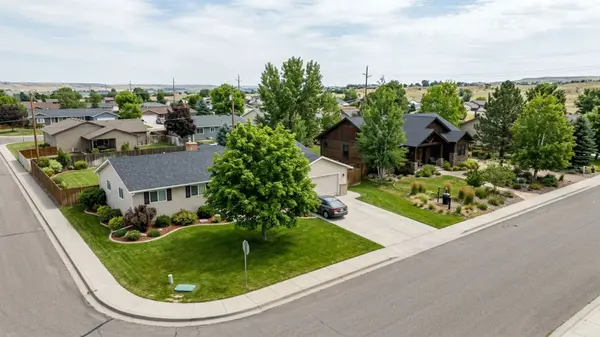
Relocating to Billings, MT: A Buyer's Guide to the Local Market
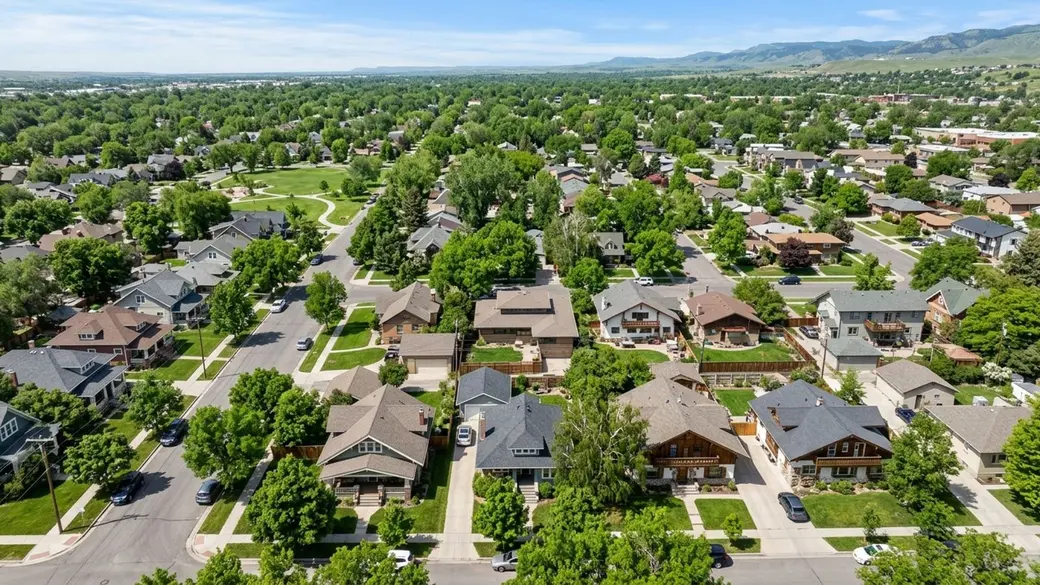
If you're buying a home in Billings, MT, the housing market here has a few things worth understanding before you start scheduling tours. Yellowstone County mixes historic architecture with newer construction across both urban and suburban zones, and the pricing data is concrete enough that you can actually plan around it.
This guide covers what homes cost right now, what styles you'll find, what property taxes look like, and where to go for the official local data you need before making an offer in the Billings Metropolitan Area.
The Billings Real Estate Market in 2026
As of mid-2026, the median home sale price in Billings, MT sits at approximately $389,900 - up roughly 5.6% year-over-year. That's steady demand, not a spike. Homes are spending a median of 57 days on the market before going under contract, which tells you something useful about the pace.
On the inventory side, there are about 583 homes available, which works out to a four-month supply. Around 147 homes sell each month across the city.
Current Housing Trends
A four-month supply is a relatively balanced market. You're not walking into a situation where every decent house has seven offers by Sunday afternoon. With homes averaging nearly two months on the market, you have real time to schedule inspections and negotiate terms - the frantic bidding cycles from earlier market periods aren't what you'll find here.
Average Home Prices
The median of $389,900 is the headline number, but expect some variation depending on which source you're looking at. Some valuation models place the local home value index closer to $398,000; others report figures around $375,000. The specific neighborhood and a property's condition will move the number in either direction, sometimes meaningfully.
Popular Home Styles and Architecture in Billings
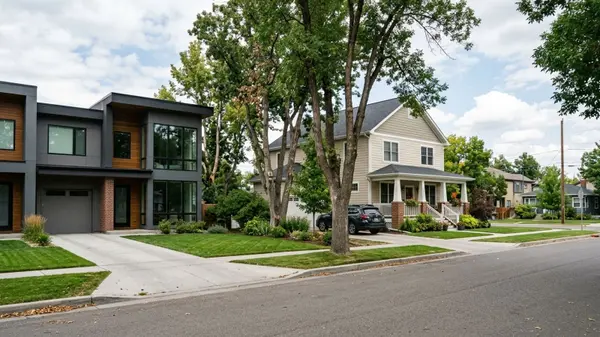
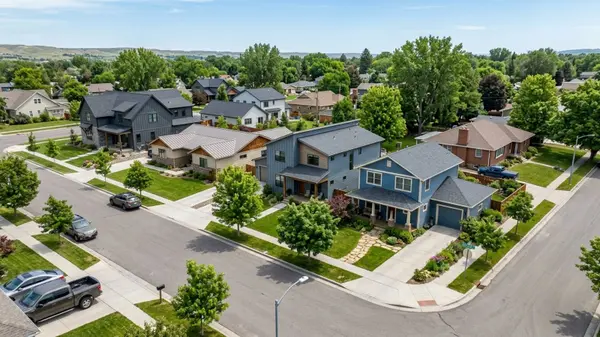
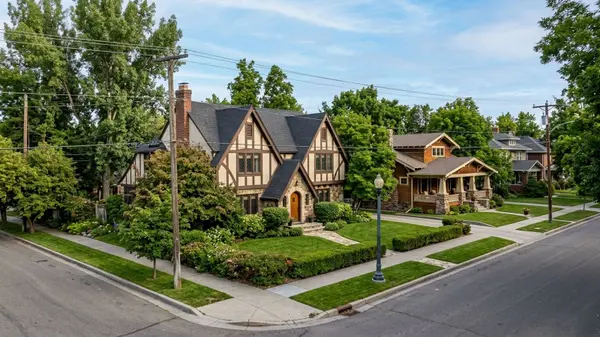
Billings' architectural character was largely shaped by its mid-20th-century growth, and that shows up in what you'll find street by street. Near the historic downtown areas, Craftsman and Prairie School designs are common. Tudor Revival, Late Gothic Revival, and Italianate structures also appear throughout the older sections of the city.
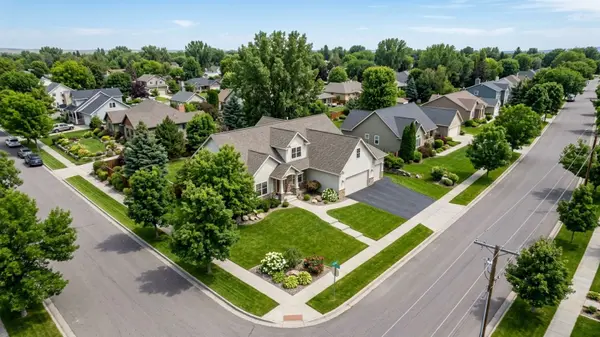
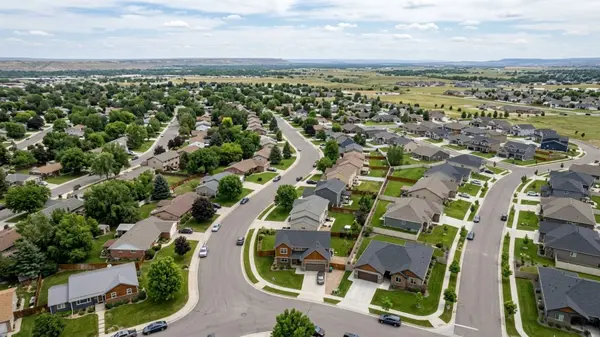
Pull further out from the center and the inventory shifts noticeably. Ranch-style homes dominate, often with Swiss Chalet influences that reflect the region's western heritage. Western Commercial structures with Classical Revival and Craftsman details are woven into the local landscape as well. It's a genuinely varied stock - more so than buyers often expect.
Cost of Living and Housing Expenses
Yellowstone County's effective property tax rate generally runs between 0.82% and 0.98% of a home's assessed value, which translates to a median annual tax bill somewhere between $2,825 and $3,062. Work that into your monthly mortgage math before you fall in love with a price point.
The purchase price is only part of what you're budgeting for. Montana's winters require real preparation - heating costs, snow removal, winterizing irrigation systems - and summer cooling adds up too. Ask the seller for past utility bills during the inspection period. It's a simple ask that tells you a lot about what you're actually buying.
Property Taxes in Yellowstone County
The county's assessed value isn't necessarily the same as your purchase price, so the tax bill on a specific property can land anywhere within that 0.82% to 0.98% range depending on how the county has it assessed. Different sources cite slightly different averages within that spread. If you want the exact figure for a specific address, pull it from Yellowstone County public records directly - that's the most reliable place to verify it.
Utility and Maintenance Costs
Buying in a northern climate means your maintenance calendar runs differently than it might in other parts of the country. Annual HVAC servicing is not optional here, and older homes may need insulation upgrades to handle freezing temperatures efficiently. Set aside a dedicated maintenance fund before you close - that's not a contingency, that's just planning for a Montana winter.
Billings Neighborhoods to Consider
The Billings Metropolitan Area covers a real range - dense urban blocks close to the city center, spread-out suburban lots on the outer edges, and meaningful differences in walkability and lot size depending on where you land. Neither end of that spectrum is the wrong answer; it depends entirely on what you're looking for.
Commute patterns matter here. Major roadways connect the outer suburbs to downtown employers and shopping, but the only way to know what a commute actually feels like is to drive it during typical hours from the specific house you're considering.
Urban vs. Suburban Options
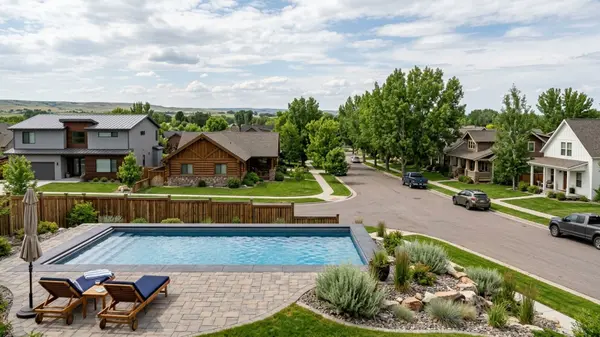
The urban core puts you close to restaurants, commercial districts, and historic venues, but homes tend to run smaller with tighter lot lines and more mature landscaping. The suburban areas give you more breathing room between houses and a heavier concentration of mid-century Ranch-style properties. It's a genuine trade-off, not a clear winner.
Proximity to Billings Metro Amenities
For buyers relocating from out of state, daily convenience deserves more weight than it sometimes gets early in the search. Map the distance from any property you're seriously considering to grocery stores, medical facilities, and parks. Homes near main arterial roads get you around faster, but they come with traffic noise - worth accounting for before you commit.
Researching Local Data: Schools, Safety, and Services
Before you make an offer anywhere in Billings, get into the official data sources rather than relying on what someone tells you at a dinner party. The City of Billings Police Department maintains an official Crime Statistics page that includes crime mapping, neighborhood task force reports, and monthly crime reports from a department analyst. Use it.
For schools, Billings Public Schools provides an interactive School Locator map on their official website. You type in a specific address and it tells you the exact attendance zones for that property. That's the right way to research this - not by asking which neighborhoods are "good."
Accessing Official Crime Statistics
The city's crime mapping tool lets you filter by date and incident type across different streets. That level of specificity is actually useful - you're looking at documented incidents, not reputation. Start there.
Finding School District Information
School boundaries shift, sometimes without much warning, so verify the assigned district before you make an offer - not after. The Billings Public Schools School Locator map gives you the current zoning based on the address you enter. If you have registration questions that go beyond what the map covers, you can call the district directly at 406-281-5067.
Steps for Buying a Home in Billings
Montana has its own closing procedures, and out-of-state buyers sometimes underestimate how much the state-level process differs from what they're used to. Get your mortgage pre-approval in place before you start scheduling tours. Sellers notice, and it puts you in a position to move when you find something you want.
A standard transaction runs through a home inspection, an appraisal, and a title search. The inspection carries particular weight here - weather-related wear on roofs and foundations is real, and a good local inspector will know exactly what to look for. Once those contingencies clear, final paperwork is signed at a local title company.
Finding a Local Real Estate Agent
Interview a few agents before you commit to one. You want someone who knows the Yellowstone County market specifically - who can recommend local inspectors and lenders, draft competitive offers, and communicate clearly with someone who isn't physically in the city yet. That last part matters more than buyers often anticipate when relocating from out of state.
The Closing Process in Montana
Montana is a non-disclosure state. Sale prices aren't automatically made public, though agents have access to that data through the MLS. Your closing costs will include title insurance, loan origination fees, and prorated property taxes. Read the final settlement statement carefully before you wire anything.
Frequently Asked Questions
Which neighborhoods in Billings are most recommended for out-of-state families relocating with school-aged children?
That depends on your specific needs and preferred home style. Use the Billings Public Schools School Locator map to identify attendance zones for the specific addresses you're considering - the district website makes that tool accessible to anyone. It matches a property address to its corresponding schools, which is more reliable than a subjective neighborhood recommendation.
How much are average property taxes and utility costs for a single-family home in Billings compared to other western cities?
Yellowstone County's effective property tax rate runs roughly 0.82% to 0.98% of assessed value, which produces a median annual tax bill of about $2,825 to $3,062. Utility costs vary too much by home size and usage to give you a single number - ask the seller for past heating and cooling bills during the inspection period and you'll have actual figures to work with.
Should I buy a house inside Billings city limits or look at nearby communities like Laurel and Lockwood?
It comes down to whether you want urban convenience or suburban space. Homes inside Billings put you closer to the downtown architecture - Craftsman, Prairie School, and the like. Properties further out often offer larger lots and different mid-century styles, but the trade-off is typically a longer commute to the city center.
What is the best time of year to close on a house and move to Billings to avoid severe winter weather disruptions?
Summer and early fall are easier. You avoid the freezing temperatures and snow that hit the region in winter, and the logistics of a move are straightforward. If your timeline puts you in a winter move, build in extra time for potential weather delays - they're not hypothetical here.
What specific winterization features or foundation issues should I watch out for during a Billings home inspection?
Adequate insulation and a properly serviced HVAC system that can handle freezing temperatures are the two things I'd focus on. If you're buying in the colder months, check that irrigation systems have been properly winterized. A local home inspector will know what weather-related wear on the roof and exterior looks like in this climate - that's worth the cost of hiring someone with actual local experience.
How can I handle the final walkthrough and closing on a Billings property if I am still living out of state?
You can close remotely using a mobile notary for the final paperwork. For the walkthrough itself, your local real estate agent can walk the property with you via video call to confirm it's in the agreed-upon condition. The title company will provide secure wire instructions for your closing funds.
Categories
Recent Posts