What to Expect When Living in Billings, MT in 2026
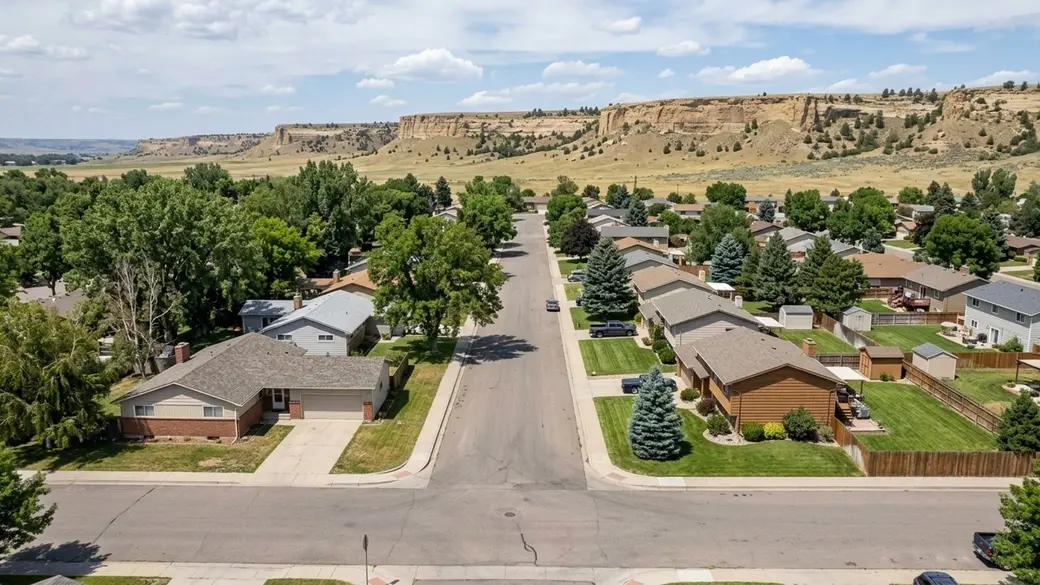
If you're looking at Montana and want to start somewhere with actual infrastructure, Billings is the obvious first stop. It's the state's largest city, the county seat of Yellowstone County, and the commercial anchor for a region that stretches well beyond the county line. People come here from smaller Montana towns - and from out of state entirely - because there's simply no other city in this part of the country that does what Billings does. If you are buying a home in Billings, MT, understanding these regional dynamics is essential.
That said, moving here with vague expectations isn't going to serve you. The housing market has shifted, the cost-of-living numbers depend on who's doing the counting, and crime rates vary dramatically depending on which side of town you're looking at. Let's go through what the data shows.
Location and Regional Commutes
Billings sits in south-central Montana and serves as the county seat of Yellowstone County - the most populous county in the state. That population density gives the city a metropolitan feel you won't find in surrounding rural towns, even if it's a different scale than what most transplants are used to.
Geography here isn't just scenic backdrop - it shapes how you'll live. This city functions as a standalone hub for an enormous geographic footprint, and the nearest comparable metro areas are Salt Lake City, Denver, and Calgary.
Driving to Major Metro Areas
Each of those cities is roughly 500 miles out, which means Billings is the largest city within that entire radius. For long-distance travel, you're on the highway. There's no shortcut.
Day-to-day, you're driving your own vehicle. The city spreads across a wide valley, and a car isn't optional - it's how you get groceries, get to work, and get anywhere else.
Housing and Everyday Living Costs
The median home sale price right now sits at approximately $389,642. Homes are averaging about 61 days on market, and current inventory shows around 671 homes available. Over a recent period, 523 homes sold, representing a 3.9-month supply.
Here's a number worth paying attention to: homes have been selling for about 62% of their list price on average. That tells you there's negotiating room in certain price brackets - buyers who know that going in are better positioned than those who don't.
Daily Expenses and Affordability
Cost of living figures for Billings differ depending on the source and how they weight individual categories. One commonly cited index puts the city at 94.6, just below the national average of 100, with housing and transportation pulling the overall number down. Groceries, by contrast, run slightly above the national average.
AreaVibes calculates the index closer to 107. Both numbers are out there, and the difference comes down to methodology. Budget for higher-than-average grocery and utility costs regardless of which index you use, and adjust for your household size.
Crime Rates and Neighborhood Data
The overall crime rate in Billings is about 38.66 per 1,000 residents - 7.54 for violent crime and 31.12 for property crime. That works out to roughly a 1 in 133 chance of being a victim of violent crime and about a 1 in 32 chance for property crime. This overall rate is higher than most other communities in Montana, and it's not a number to gloss over.
What matters more than the citywide average, though, is where specifically you're looking. Don't let a single headline figure drive your decision either way.
Crime Variations by Neighborhood
The northwest part of Billings reports the lowest crime rates in the city - violent crime victimization there runs about 1 in 547. The eastern neighborhoods are a different story, with a violent crime chance of roughly 1 in 67. That's a significant spread between two parts of the same city.
Before you make an offer anywhere, pull the local police department data for that specific block. Neighborhood-level numbers tell you far more than the citywide rate.
Population and Metro Area Growth
Billings recorded a population of 117,116 at the 2020 census, making it the most populous city in Montana. The broader metro area - which includes Yellowstone, Stillwater, and Carbon counties - has grown to somewhere between roughly 184,000 and 193,000 people.
The city draws steady population from smaller Montana towns. People relocate here for employment and regional services, so you'll find a mix of multi-generation locals and fairly recent arrivals.
Community Layout
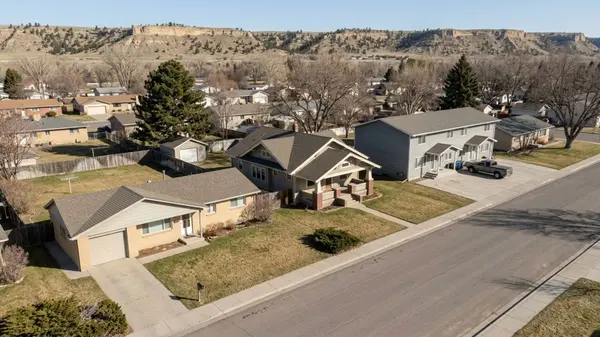
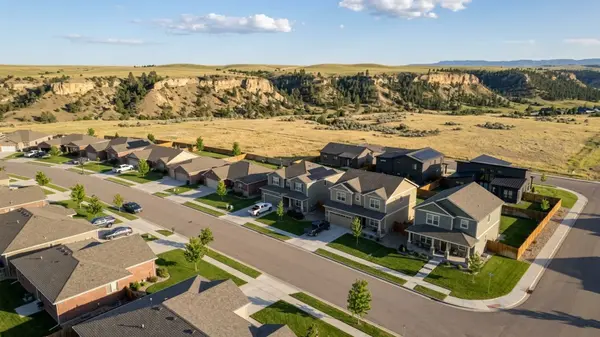
Growth has pushed development outward, and new construction tends to concentrate on the western edges of town. That expansion means more options for buyers entering the market, particularly if you want something built in the last decade.
Stillwater and Carbon counties absorb some of that growth too. Buyers who want more land while staying connected to Billings for work often look there.
Year-Round Weather Expectations
Montana delivers on the seasons - full winters with real snow accumulation, hot and dry summers. The climate isn't punishing if you prepare for it, but it will find any deferred maintenance on a property quickly.
Winter road conditions affect your daily routine in ways that might surprise you if you're coming from a milder climate. Residential streets can stay packed with snow for days. Budget for snow removal, whether that's equipment or a service.
Preparing a Home for the Climate
On any property you're serious about, inspect the insulation, furnace age, and roof condition before you close. Heating bills during the coldest months are real, and modern windows with proper weatherstripping make a measurable difference.
Summer heat gets overlooked by buyers focused on winter, but it shouldn't be. Verify the air conditioning setup handles extended heat waves before you assume any system is adequate.
The Pros and Cons of Relocating Here
This city offers things smaller Montana towns simply can't - diverse retail, regional services, medical infrastructure. Being the hub for such a large geographic area means resources concentrate here by necessity.
The trade-offs are real too. The overall crime rate runs higher than the state average. Geographic isolation is genuine - getting to Denver or Salt Lake City means most of a full day on the road. Neither of those facts should be a surprise if you've done your homework, and both are worth weighing honestly against what the city offers you.
Balancing Affordability and Geography
The cost of living index coming in below the national average is legitimately attractive, especially for buyers coming from coastal markets where housing costs are substantially higher. That affordability advantage is real.
The geographic reality is equally real. At roughly 500 miles from Denver or Salt Lake City, a quick weekend trip to another major urban center isn't in the cards. That's the trade you're making.
Daily Life and Local Neighborhoods
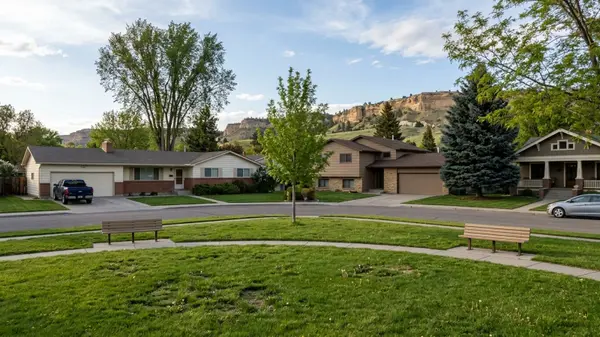
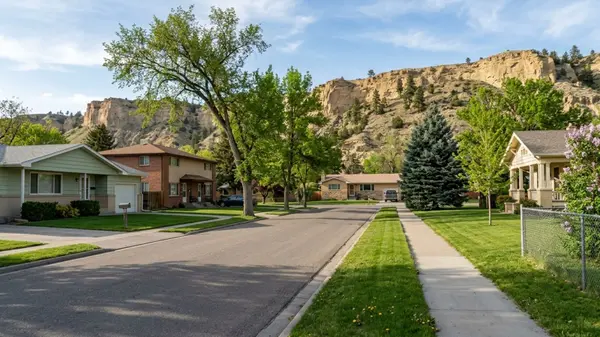
Daily life is organized around the city's distinct geographic zones. Outdoor recreation, local dining, and community events are accessible throughout the year, though where you land in the city determines what's convenient to you. Retail and grocery access varies by subdivision, and the city's layout means you'll likely drive more than you expect no matter where you live.
Notable Billings Neighborhoods
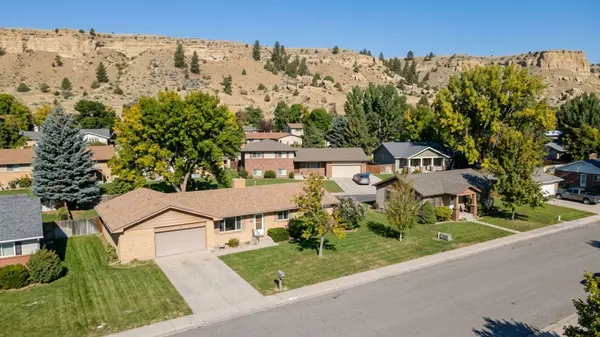
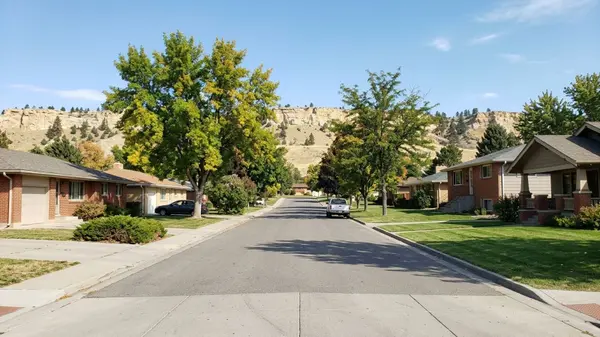
The West End, near Shiloh Road, features newer construction and retail centers. The Heights sits northeast of downtown and offers a mix of established subdivisions. Other areas include the South Side, Central-Terry, and North Central Billings - which real estate data identifies as one of the pricier areas, featuring higher average rents and historic properties.
The northwest side's lower crime statistics make it worth a look regardless of which neighborhood ultimately fits your budget.
Retiring in Yellowstone County
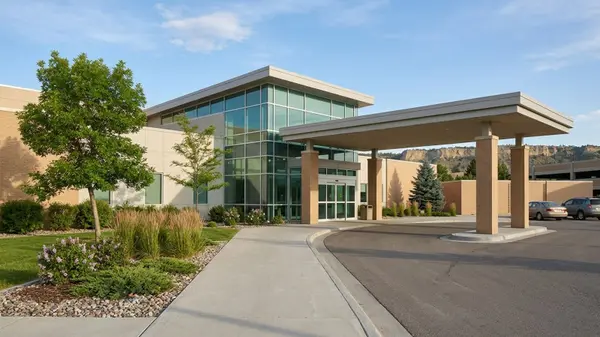
The city's regional hub status means services that rural towns can't sustain are here - and that matters practically when you're planning for retirement. Medical infrastructure, retail, and senior-focused housing options are all more available here than anywhere else in this part of Montana.
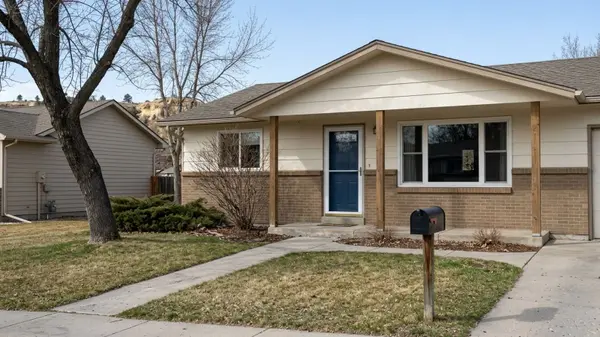
Single-level homes are popular with downsizing buyers, and the local market includes options near everyday conveniences that don't require maintaining a large property.
Assisted Living and Downsizing
Assisted living facilities and independent senior communities give residents transitional options when maintaining a single-family home stops making sense. The West End specifically tends to appeal to buyers in this phase - newer, accessible construction and proximity to retail make it practical.
If you're planning ahead for retirement, focus your search on neighborhoods with flat terrain and straightforward access to arterial roads.
Frequently Asked Questions
What is the cost of living in Billings, MT?
The cost of living index is roughly 94.6, putting it slightly below the national average. Housing and transportation costs help keep the overall index lower, though groceries run slightly higher. Some sources calculate the index closer to 107, depending on how they measure expenses.
What is the crime rate in Billings, MT, and is it safe?
The city has an overall crime rate of about 38.66 per 1,000 residents, which is higher than most Montana communities. Residents face a 1 in 133 chance of violent crime and a 1 in 32 chance of property crime. The northwest part of the city reports the lowest crime rates, with a 1 in 547 chance of violent crime.
What are the pros and cons of living in Billings, MT?
The main pros include a lower cost of living than the national average and access to regional retail hubs. The biggest cons are the higher-than-average crime rate and geographic isolation. Driving to the nearest major metros like Denver or Salt Lake City covers about 500 miles.
What are winters like in Billings, MT?
Winters bring cold temperatures, snow accumulation, and icy driving conditions. Residential streets can hold snow for extended periods. Homeowners need to prepare their properties with adequate insulation and heating systems.
Is Billings, MT a good place to live for families or retirees?
It depends on what a household prioritizes. Retirees often appreciate the city's status as a regional hub and the variety of single-level homes. Families should review specific neighborhood crime data, as rates vary widely between the northwest and eastern sides of town.
What are the most popular neighborhoods to buy a home in Billings, MT?
Notable areas include the West End near Shiloh, the Heights, the South Side, and Central-Terry. North Central Billings stands out as one of the priciest neighborhoods with higher average rents. The northwest side is also popular due to its lower crime statistics.
What kind of medical infrastructure is available in Billings?
The city serves as a regional hub, providing essential medical infrastructure that smaller Montana towns simply cannot sustain. Access to hospitals in Billings is a significant draw for retirees and residents who require consistent healthcare services.
Is it better to live in Billings or a smaller surrounding town?
Buyers who want more land while staying connected to the city for work often look at smaller communities in the broader metro area. A comparison between Billings and nearby towns can help you determine if a rural commute makes sense for your household.
Categories
Recent Posts