What to Know About Real Estate Investing in Billings, MT
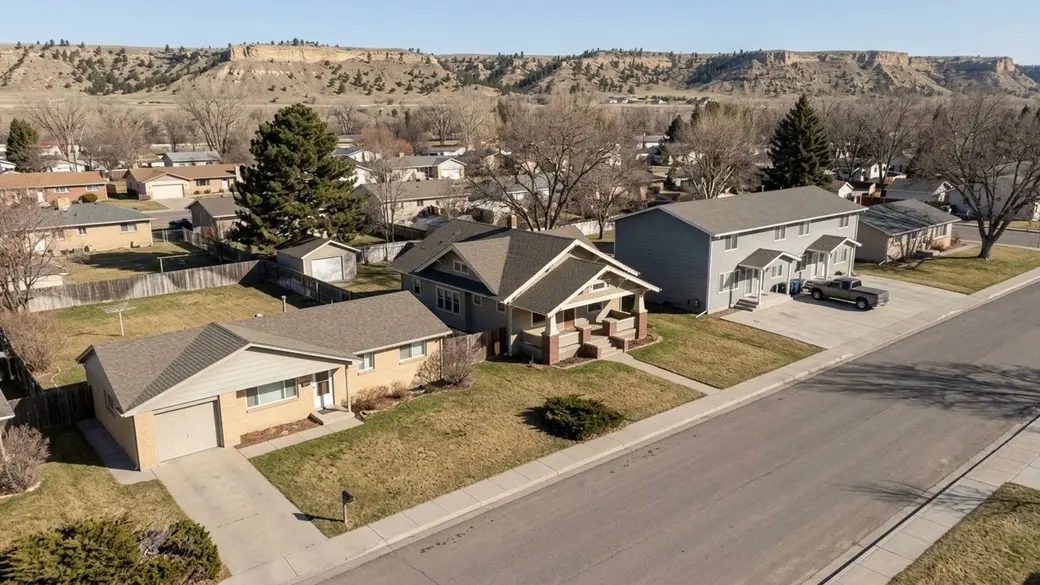
Billings isn't a market that gets a lot of national press, but that's partly why it works for investors buying a home in Billings, MT. The local economy runs on major regional employers - not seasonal tourism - which means the workforce that needs housing here tends to stick around.
The current median home sale price sits around $390,000. With an average of 61 days on the market and about 3.9 months of supply, you've got time to evaluate a property before you have to decide. That's a different experience than what investors have been dealing with in coastal markets.
Why Billings Attracts Property Investors
A rental market is only as strong as its tenant pool, and tenant pools follow jobs. Billings has a genuinely stable employment base anchored by the Billings Clinic, which is one of the region's dominant healthcare employers and supports thousands of positions on its own.
The financial and energy sectors add more depth. First Interstate Bank is headquartered in Billings with over 2,400 employees across its network. NorthWestern Energy and ConocoPhillips represent the energy side of that equation. These aren't volatile employers - they're the kind of institutions that generate steady, year-round housing demand.
That demand shows up in the inventory numbers. There are currently 671 homes in active inventory, which gives you real options to find something that fits your strategy.
Popular Property Investment Strategies
Investors in Yellowstone County tend to work within a handful of proven approaches. Which one makes sense for you comes down to your timeline and how hands-on you want to be.
One thing to sort out early: local zoning laws will tell you what you can do with a given parcel. Don't assume a property can operate as a multi-unit rental or a short-term space until you've verified the city ordinances. That step comes before the math.
Long-Term Rental Properties
This is the most common approach in Billings, and the rental rate data supports why. Two-bedroom houses are currently averaging $1,431 per month, which gives you a reasonable baseline for smaller single-family investments.
Step up to a three-bedroom and the numbers shift: those are averaging around $2,023 per month. Larger households need space, and there's consistent demand for it.
Flipping Houses in Billings
Flipping works here if you buy right. Recent market data shows homes in Billings selling for about 62% of their list price on average, which tells you there are properties trading at a meaningful discount.
The discipline is in the cost estimation. You need to know what the renovation will run before you make an offer - not after. Buying low enough to absorb material costs and still come out ahead when the home goes back on the market is the whole game.
Investing in Multi-Family Units
Duplexes, triplexes, and small apartment buildings let you spread vacancy risk across multiple units while pulling in income from more than one tenant. If one unit sits empty, you're not at zero.
Zoning applies here too. Higher-density properties tend to cluster near commercial centers and major transit routes - check the local zoning maps before you get attached to a specific address.
Analyzing Local Investment Properties
The math either works or it doesn't. Before anything else, you're measuring expected income against operating expenses and debt service.
Billings tends to be more predictable than other western markets on this front. The rental rates are consistent, and if you understand the local tax picture, you can model a property's cash flow without a lot of guesswork.
Calculating Cap Rates and ROI
Cap rate and ROI are the two tools you'll use to compare properties against each other. The cap rate tells you the expected annual return as if you bought the property outright in cash - no financing involved.
The calculation is straightforward: divide the net operating income by the purchase price. As a rough illustration - if a $390,000 property generates $20,000 in net income after expenses, that's a cap rate of roughly 5.1%. Run this on every property you're seriously considering.
Estimating Costs and Taxes
Property taxes have a real effect on your monthly numbers, so you need the actual county figure - not a statewide average. Yellowstone County's median effective property tax rate is 0.96%, which works out to a median annual tax bill of about $2,825.
That's above Montana's state median of 0.78%, though it still comes in slightly below the national median of 1.02%. Use the county rate in your projections, not the state figure.
How to Finance Your Purchase
If you're not paying cash, the loan structure is where this whole thing starts. Lenders treat non-owner-occupied properties as higher risk than primary residences, and the underwriting reflects that.
Expect more scrutiny on your credit score and debt-to-income ratio. Getting pre-approved before you start making offers is good practice, and it tells sellers you're a real buyer who can close.
Conventional Investment Loans
Traditional banks and credit unions are the standard route. For investment properties, plan on a down payment of at least 20% to 25%. Some lenders will factor in a percentage of the property's projected rental income to help you qualify, which can make a difference depending on your overall debt picture.
Hard Money and Private Lenders
Hard money loans are short-term and high-interest, secured against the property's value rather than your personal credit history. Flippers use them because they close fast and don't require the same documentation a conventional lender demands.
Private lenders work similarly - short-term, outside traditional banking, faster to close. The trade-off on both is cost. You need a clear exit strategy before you sign up for that kind of interest rate.
Building Your Local Investment Team
You can know the market cold and still lose money if the people around you aren't reliable. A local agent who works with investors can help you identify properties that fit your financial goals, rather than simply presenting what is available.
Once you own something, a property manager handles tenant screening, rent collection, and maintenance. That's what keeps the investment passive. Without one, you're the person getting the 11 p.m. call about the water heater.
The other relationship worth building before you need it: contractors. Local plumbers, electricians, and roofers who know your properties and show up when something breaks - that's not a small thing. Establish those connections early.
Before you hire anyone, see how to choose a real estate agent for investment property in Billings, with six questions to ask every agent you interview.
Frequently Asked Questions
Is Billings a good place for real estate investing?
Yes, it offers a stable economic base. Major employers like the Billings Clinic and First Interstate Bank provide steady jobs, which supports a consistent demand for housing and rentals.
What types of investment properties are available in Billings?
It depends on your strategy. You can find single-family homes, which make up the bulk of the market with a median price of $390,000, alongside multi-family duplexes and triplexes.
How much do I need to start investing in Billings real estate?
It depends on your financing method. Conventional investment loans usually require a 20% to 25% down payment, meaning you'd need about $78,000 to $97,500 down for a median-priced $390,000 home.
Does a short-term vacation rental or a long-term lease work better in the Billings market?
It depends on the property's location and zoning. Long-term leases are very stable here, with three-bedroom homes averaging $2,023 per month, but short-term rentals can work if local ordinances permit them.
What local zoning laws or property taxes should I watch out for when analyzing Billings investment properties?
Account for Yellowstone County's median effective property tax rate of 0.96%. You'll also need to check local zoning maps to confirm a property is legally allowed to operate as a multi-family or short-term rental before you run any numbers on it.
How do I find a reliable local property manager and contractor team in Billings, MT?
Start by networking with local real estate agents who specialize in investments. They work with these professionals daily and can point you toward property managers and contractors who have actual track records in this market.
Categories
Recent Posts