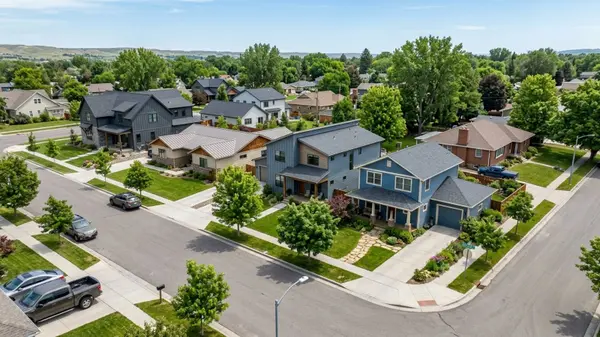
What Buyers and Sellers Need to Know About Mortgage Rates in Billings, MT (2026)
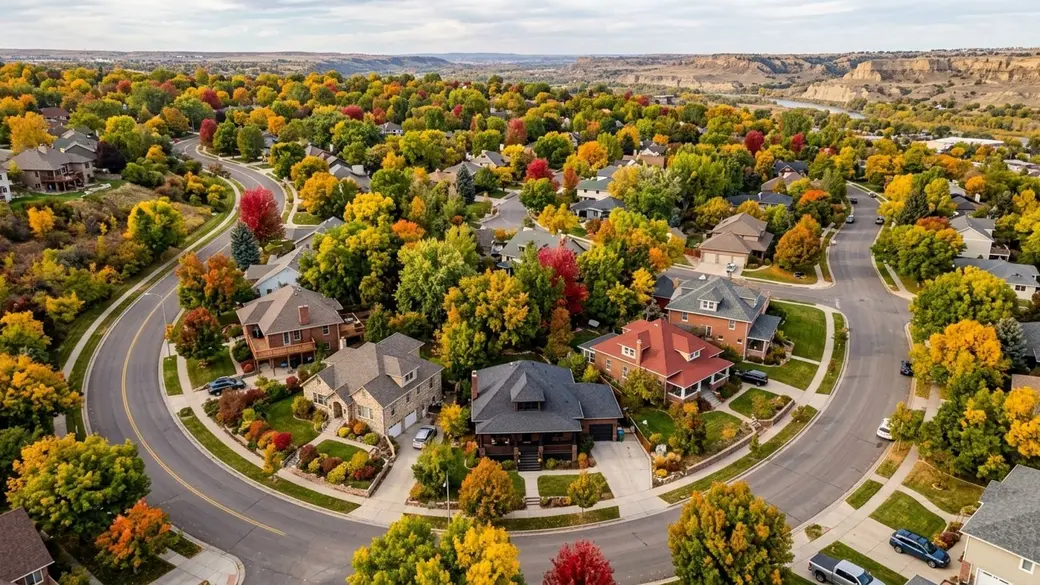
As of September 2026, the median sale price for homes in Billings, MT sits around $389,000. Both buyers and sellers are watching borrowing costs carefully right now, because those costs shape what people can afford - and what they're willing to pay. This is especially true for first-time home buyers in Billings, MT.
Mortgage rates change the math for everyone in a transaction. Whether you're budgeting a monthly payment or deciding where to price your house, understanding how these percentages work is step one.
Current Mortgage Rate Trends in Billings, MT
Rates move based on broader economic forces, not local housing demand. As of mid-September 2026, the national average for a 30-year fixed mortgage hit a one-year high of roughly 6.74% to 6.78%.
That upward push reflects recent inflation data and uncertainty around Federal Reserve policy. It reverses a modest easing period earlier in the year, when rates dipped to nearly 5.98% in February 2026 - so if you were hoping that dip would hold, it didn't.
Checking Your Exact Rate Today
The figures you see on news sites and real estate portals are national averages built around ideal borrower profiles with perfect credit. Your rate won't be there. To find out what you'll pay, you need to request a same-day quote or a Loan Estimate directly from a lender, who will look at your specific income, debt, and financial details before quoting you anything real.
Why Rates Fluctuate Daily
Mortgage rates move every day - sometimes more than once. They track the bond market, specifically the 10-year Treasury yield, rather than moving in lockstep with the Federal Reserve's direct rate announcements. When inflation data comes in higher than expected, investors demand higher yields on bonds, and that pushes rates up for buyers in Yellowstone County just as much as anywhere else in the country.
How Rate Changes Affect Your Buying Power in Yellowstone County
A small shift in your interest rate changes your monthly housing budget more than most people expect. With homes in Billings spending roughly 61 days on the market right now, you have a little time to run the numbers before making an offer - but not unlimited time, so it's worth doing the math early.
Comparing Monthly Payments
Take a $389,000 home purchase with a 20% down payment as an illustrative example. At a 6% interest rate, the principal and interest payment runs roughly $1,865 per month. At 7%, that same loan costs about $2,070 per month. That's a $205 monthly difference for the exact same house - and over the life of the loan, it adds up to tens of thousands of dollars.
The Trade-Off Between Price and Rate
Buyers often face a choice between waiting for lower rates or buying now at current prices. When rates drop, more buyers enter the market, competition increases, and prices tend to follow. Securing a home at today's prices means you avoid potential bidding wars later. If borrowing costs do drop, you can always refinance.
Loan Types and Terms That Shape Your Final Rate
The loan type you choose directly affects the rate a lender will offer. Lenders price their products based on risk, and different loan structures carry different levels of it.
You'll see different rates quoted for different terms and programs, and knowing the differences helps you choose what fits your timeline and budget.
Choosing Between a 30-Year and 15-Year Fixed Loan
A 30-year fixed-rate mortgage is the standard choice for most buyers - it stretches out the payments and keeps monthly costs lower, and the rate stays the same for three decades. A 15-year fixed loan typically carries a lower interest rate, but the monthly payment is higher. You pay the house off twice as fast and save a substantial amount on total interest. Neither is wrong; it depends on your cash flow.
When an Adjustable-Rate Mortgage Makes Sense
An adjustable-rate mortgage (ARM) starts with a lower fixed rate for a set period - usually five or seven years - then adjusts annually based on current market conditions. Buyers who plan to sell or refinance before that fixed period ends often use ARMs to secure a lower initial payment. Before you sign, review the maximum possible adjustment caps carefully.
How Government-Backed Loans Compare to Conventional
Conventional loans aren't backed by the government and typically require higher credit scores. FHA, VA, and USDA loans carry government backing, which reduces the lender's risk - and because of that reduced risk, they often advertise lower interest rates than conventional loans. The thing to watch: FHA and USDA loans require mortgage insurance premiums, which add to your total monthly cost.
Steps to Secure the Lowest Possible Rate
Borrowers have real, direct control over several factors that influence their mortgage quotes. Lenders reward financial stability with better terms, and preparing before you apply for pre-approval puts you in a stronger position from the start.
Boosting Your Credit Score
Your credit score is the single biggest factor in the rate you'll receive. Borrowers with scores above 740 generally qualify for the most favorable terms available. Paying down credit card balances and correcting errors on your credit report can bump your score up a tier - even a 20-point increase can lower your quoted rate and put real money back in your pocket every month.
Using Down Payments and Points
Putting more money down reduces your loan-to-value ratio, and lenders offer better rates to buyers who come in with more equity from day one. You can also pay discount points at closing to permanently lower your rate. One point costs 1% of your loan amount and typically drops your rate by about 0.25%.
Understanding Rate Locks
A rate lock guarantees your interest rate for a specific timeframe - usually 30 to 60 days - which protects you if market rates rise while your loan is in underwriting. Ask your lender about their lock policies as soon as you have a signed purchase agreement. Some lenders charge a fee to lock the rate; others fold it into standard closing costs.
Choosing a Local Mortgage Lender in Billings
Your lender is handling one of the largest financial transactions of your life. National call-center lenders spend millions on online ads, but working with a local professional in Yellowstone County offers advantages that don't show up in a banner ad.
Local lenders know the property tax rates, the local appraisers, and the specific timelines required to close a deal here.
Why Local Yellowstone County Lenders Stand Out
A local lender is accountable to the Billings community and relies on local reputation to stay in business. When an issue comes up during underwriting, you can walk into an office and talk to someone face-to-face. Listing agents also prefer offers backed by local lenders - they know local professionals close on time, which makes your offer stronger when there's competition.
Questions to Ask Before Committing
Before signing with anyone, ask about their average closing timeline and how they communicate. Find out whether they process loans in-house or send them to an outside underwriter. Request a Loan Estimate from at least three different lenders - that standardized document lets you compare interest rates, origination fees, and third-party charges side by side without guessing.
Comparing Banks, Credit Unions, and Brokers
Large retail banks offer standard loan products but often have rigid guidelines and slower processing times. Credit unions sometimes offer lower rates or reduced fees, though you'll need to be a member to apply. Mortgage brokers don't lend their own money - they shop your application to dozens of wholesale lenders to find the best terms. Direct lenders fund the loans themselves and often have more flexibility in underwriting. There's no universally right answer; get quotes from more than one type.
Selling Your Billings Home in the Current Rate Environment
Borrowing costs dictate buyer behavior, which means they directly shape what sellers are dealing with. With 671 active listings in Billings recently, buyers have options - which means sellers need to think carefully about how they're positioning their homes.
How Rates Influence Buyer Demand
When rates rise, some buyers pause their search or drop into a lower price bracket, which shrinks the pool of potential buyers at the higher end of the market. When rates stabilize or dip, pent-up demand brings buyers back quickly. Sellers who keep their homes show-ready can take advantage of those shifts.
Pricing Strategies for Sellers
Overpricing when rates are high is a reliable way to watch days on the market pile up. The median time on market in Billings is currently around 61 days - that number climbs fast for homes that aren't priced correctly. Base your list price on recent comparable sales, not on what the market looked like two years ago. An accurately priced home attracts serious buyers regardless of where rates are sitting.
Mortgage Rate FAQs
What are mortgage rates today in Billings, MT?
Your exact rate depends entirely on your personal financial profile and the lender you choose. While national averages hit roughly 6.74% to 6.78% in mid-September 2026, you'll need to request a Loan Estimate from a lender to see your specific rate.
Should I wait for rates to drop before buying a home in Billings?
It depends on your timeline and budget. Waiting for rates to drop often means facing higher home prices and more competition, since lower rates bring more buyers into the market.
How much does a 1% difference in mortgage rate cost me on a Billings home purchase?
On a typical Billings home priced around $389,000, a 1% rate increase adds roughly $205 to your monthly payment, assuming a 20% down payment. Over a 30-year loan, that difference totals tens of thousands of dollars in extra interest.
How do I get the best mortgage rate as a buyer in Billings?
You get the best rate by improving your credit score, saving for a larger down payment, and comparing Loan Estimates from multiple lenders. Borrowers with credit scores above 740 generally secure the most favorable terms.
How do I choose a mortgage lender in Billings, MT?
Choose a local lender with a strong reputation in Yellowstone County who communicates clearly and processes loans efficiently. Compare quotes from local banks, credit unions, and mortgage brokers to find the best combination of low rates and low fees.
How do current mortgage rate trends impact my ability to sell a house in Billings?
Higher rates reduce buyer purchasing power, which can lead to longer days on the market for overpriced homes. Pricing your home accurately based on the current median sale price of $389,000 is the most straightforward way to attract serious buyers.
What credit score do I need to lock in a good mortgage rate in Billings, MT?
You can qualify for some loans with lower scores, but you typically need a credit score of 740 or higher to lock in the lowest advertised rates. Even a small increase in your score can qualify you for better terms.
Getting Local Real Estate Help in Billings
Watching financial news only gets you so far. You need local context to understand what the numbers mean for your situation - whether you're preparing to list or starting your search.
A real estate agent can walk you through recent sales data and connect you with trusted local professionals. Talking to one early helps you build a solid plan before you ever sign a loan application.
Categories
Recent Posts