Is Billings, MT the Right Fit for Your Family?
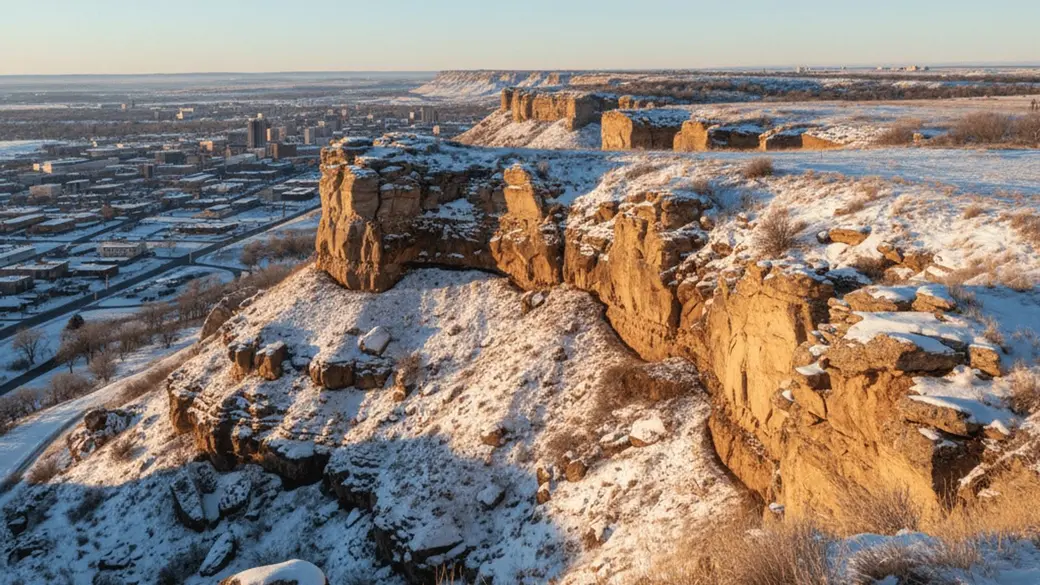
If you are looking at moving to Montana, you have probably noticed that the "Treasure State" isn't the hidden secret it used to be. Prices in mountain towns like Bozeman and Missoula have climbed steeply, leaving many people wondering if there is a practical alternative that still offers the Big Sky lifestyle.
Enter Billings. Known as the "Magic City" because of how quickly it grew in its early days, Billings is the largest city in Montana and the region’s economic engine. But numbers don't tell the whole story. While it has the amenities of a big city—Costco, a major airport, and top-tier hospitals—it retains a distinct small-town energy where people still hold doors open for strangers.
For many, Billings is the pragmatic choice. It is affordable and functional, but it isn't a glossy resort town. It’s a working-class community. If you are trying to decide if this is the right landing spot for you, the answer usually comes down to what you prioritize: affordability and convenience versus mountain views and walkability. Let’s break down what living here actually looks like for a household in 2026.
Pros and Cons of Raising a Family in Billings
Before we dive into the dollars and cents, it helps to look at the big picture. Every city has trade-offs, and Billings is no exception.
The Upsides:
- Affordability: Your dollar goes significantly further here than in western Montana.
- Healthcare: You have immediate access to the best medical care in a 500-mile radius.
- Weather: Thanks to the "Banana Belt" effect, winters are surprisingly milder than the rest of the state.
- Nature Access: You are close to the Yellowstone River and the Rimrocks without paying tourist prices.
The Downsides:
- Crime Rates: Statistical crime rates are higher than the state average, which is a common concern for newcomers.
- Urban Sprawl: This is a car-dependent city. You will be driving everywhere.
- Winter Reality: While milder than North Dakota, it is still Montana. Expect snow and sub-zero snaps.
Cost of Living: Can Families Afford Billings in 2026?
One of the biggest drivers for people moving to Billings is the cost of living. As of early 2026, the housing market here has stabilized. The frantic bidding wars of the pandemic era have cooled, and inventory is more predictable.
For housing, you are looking at a median home price roughly between $375,000 and $390,000. To put that in perspective, a similar single-family home in Bozeman could easily run you over $700,000. That gap makes a massive difference in a monthly mortgage payment.
If you aren't ready to buy, the rental market is reasonably steady. A standard two-bedroom apartment or small home typically rents for around $1,350 to $1,550 a month.
Beyond housing, your daily expenses are generally manageable. Montana has no sales tax, which saves you a solid chunk of change on everything from school clothes to new appliances. Groceries and utilities track pretty closely with national averages, so your monthly budget won't face too many surprises there.
Top Neighborhoods for Families in Billings
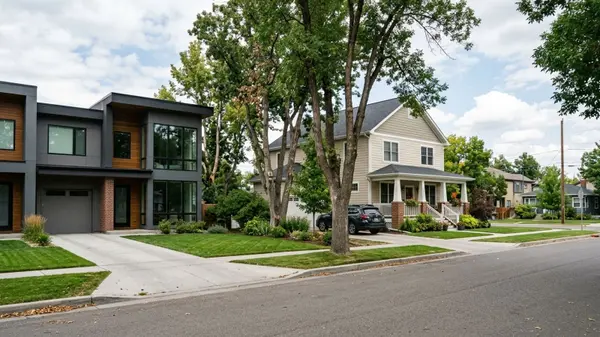
Billings is spread out, and the vibe changes drastically depending on which side of town you are on. When looking for homes for sale in Billings, it is smart to focus on the specific lifestyle you want, whether that’s a large backyard or proximity to schools.
The West End
The West End is currently the most sought-after area for new residents. It is defined by newer subdivisions, spacious lots, and wide streets. It is also where you will find the bulk of new retail development, including Shiloh Crossing for shopping and dining. Prices here are higher, but you are paying for modern infrastructure and proximity to newer schools.
Billings Heights
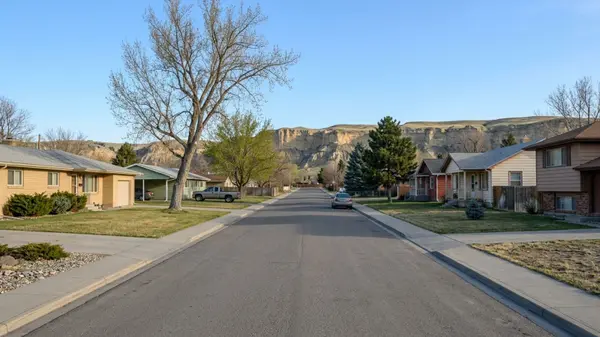
"The Heights" feels like its own separate town because it is separated from the main city by the Rimrocks (the sandstone cliffs that frame the city). This area tends to be more affordable than the West End. You will find a mix of older 1970s ranch-style homes and pockets of new construction. It has a strong community feel, though commuting down to the city center can get bottled up during rush hour on Main Street.
Josephine Crossing
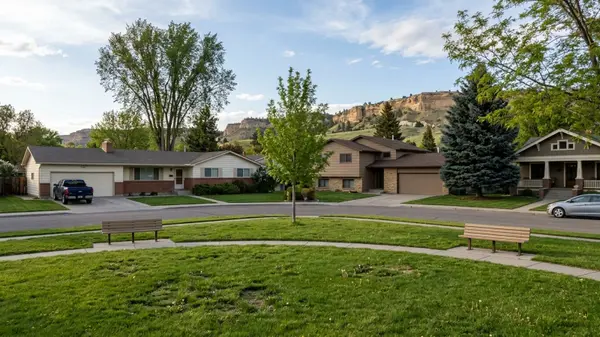
If you want something that feels less like a suburb and more like a village, check out Josephine Crossing. It’s a pocket community designed specifically for walkability. Homes here have front porches, and the neighborhood features shared green spaces and parks rather than massive private backyards. It creates a very social atmosphere where neighbors actually know each other.
Northwest / Ironwood
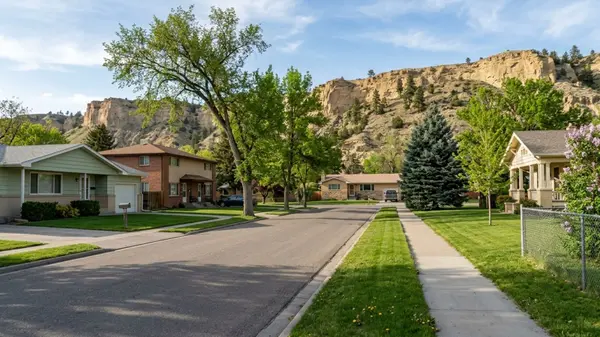
For those with a higher budget, the Northwest corridor near Ironwood offers upscale homes, many of which have incredible views of the Rimrocks. It sits nicely between the convenience of the West End and the access to the airport and downtown.
Education: Schools and Childcare Options
If you have school-aged children, the quality of the local district is likely top of mind. Billings Public Schools (District 2) is the largest district in Montana.
Overall, the schools perform well, with many receiving "Above Average" ratings. Because the district is so large, it offers resources that smaller rural Montana schools can't match, such as the Career Center which provides vocational training in everything from welding to medical sciences.
Key School Highlights:
- High Schools: The main public high schools are Billings West, Billings Senior, and Skyview.
- Higher Education: For older students or parents looking to upskill, MSU Billings and Rocky Mountain College provide solid local university options.
- Childcare: Like many places, spots can be competitive, but there are numerous private centers and preschools distributed across the West End and Heights.
Safety and Crime: The Reality for Residents
Let’s have an honest conversation about safety, because if you search online, you will see high crime statistics for Billings.
The data shows that Billings has property and violent crime rates higher than the national average. The violent crime rate sits around 929 per 100,000 residents. However, numbers without context can be misleading.
Much of the crime in Billings is highly localized, often concentrated in specific corridors downtown or industrial areas, and frequently involves transient populations. For the average resident living in the West End, the Heights, or residential subdivisions, daily life feels secure.
The most common issue residents face is property crime—specifically theft from unlocked vehicles. The practical advice here is simple: lock your car doors and don't leave valuables in plain sight. It is a city environment, not a rural outpost, so basic situational awareness is required. But for most people living in established neighborhoods, safety is not a daily barrier to enjoying the city.
Healthcare Access for Families
This is one of Billings' strongest selling points. Billings is the medical hub for a massive geographic region that spans Montana, Wyoming, and the Dakotas.
You have two major powerhouses here: Billings Clinic (frequently ranked #1 in the state) and Intermountain Health (formerly St. Vincent).
For a family, this is a huge logistical advantage. In smaller Montana towns, seeing a pediatric specialist or getting advanced care often requires a four-hour drive in the snow. In Billings, those specialists are ten minutes down the road. If you have family members with chronic health conditions or special needs, this access alone often tips the scale in favor of living here.
Things to Do with Kids in Billings
You won't run out of things to do, though the activities shift with the seasons.
Outdoor Adventures: When the weather is nice, the Rimrocks offer miles of hiking and biking trails with views over the city—Swords Park is a local favorite. ZooMontana is a fantastic zoological and botanical park that is manageable for little legs and focuses on wildlife native to the 45th parallel. You are also a short drive from Pictograph Cave State Park, which is great for a quick history lesson and a hike.
Indoor Options (Winter Survival): Winters can be long, so having indoor spots is key. The Reef Indoor Water Park is a lifesaver when it’s freezing outside. The Wise Wonders Science Museum offers hands-on learning for younger kids, and Get Air Trampoline Park is the go-to spot for burning off energy.
For sports fans, the city has a robust youth sports scene and hosts the Billings Mustangs, an independent league baseball team that makes for a classic summer evening out.
The Lifestyle: Climate and Community
People often worry about Montana winters, but Billings has a secret weapon: the Banana Belt.
We frequently get "Chinook winds"—warm winds coming off the Rockies that can raise temperatures by 20 or 30 degrees in a matter of hours. While it still gets cold and we definitely get snow, the snow doesn't tend to stack up and stay for months like it does in the mountains. It melts off periodically, giving you a break from the gray.
Culturally, the town is down-to-earth and unpretentious. It leans politically conservative, like much of Montana, but the presence of the university and the medical corridor brings a level of diversity you might not expect.
Traffic is almost non-existent compared to major metros. "Rush hour" might add five minutes to your drive. Generally, you can get anywhere in town in 15 to 20 minutes.
Verdict: Is Billings a Good Place to Live?
So, is Billings the right move for you?
It is perfect for those who want the Montana outdoor lifestyle—hunting, fishing, hiking—without the "resort tax" pricing of places like Bozeman. It is a functional, hardworking city where a middle-class income still buys a comfortable life.
However, you should probably pass if you are looking for a walkable, cosmopolitan city center or if you are looking for zero crime statistics. Billings is gritty in places, and it requires a car to get around.
Ultimately, Billings is a practical city with hidden gems. For families who prioritize affordability, great schools, and top-tier healthcare, it offers a quality of life that is hard to beat in 2026.
FAQs
Is Billings, MT safe for families?
Billings does have higher crime rates than the national average, but the crime is usually concentrated in specific downtown and industrial areas. For families living in residential neighborhoods like the West End or the Heights, daily life is generally safe, though it is always smart to lock your car and be aware of your surroundings.
What is the cost of living in Billings, MT in 2026?
The cost of living in Billings is moderate and significantly more affordable than Western Montana. As of early 2026, the median home price hovers around $375,000 to $390,000, and Montana’s lack of sales tax helps keep daily household expenses down.
Does Billings have good schools?
Yes, Billings Public Schools (District 2) generally performs well and is rated above average. Because it is the largest district in the state, it offers extensive resources, vocational training through the Career Center, and a wide variety of extracurriculars that smaller districts cannot support.
How bad are winters in Billings, MT?
Winters are cold, but Billings is in the "Banana Belt," meaning it is often warmer than other parts of Montana. Frequent Chinook winds can warm temperatures up quickly to melt snow, making the winter season much more manageable than in the high mountain valleys.
What are the best family neighborhoods in Billings?
The West End is very popular for its newer homes, parks, and proximity to shopping. Billings Heights offers a more affordable price point with a strong community feel, while Josephine Crossing is excellent if you want a walkable, close-knit neighborhood with shared green spaces.Categories
Recent Posts