Welcome to the Magic City: Moving to Billings, MT

A guide built around your move, from someone who grew up here
I grew up just outside Billings in Shepherd, and I have watched this area grow while it stayed the regional center for work, healthcare, shopping, and recreation. That matters when you are moving here from another city or state, because relocation is not just a home search. It is a sequence of decisions about timing, location, lifestyle, financing, inspections, travel, and sometimes the sale of another home. A map cannot tell you how you want your day to feel, what commute you will tolerate, or how selling your current place changes your timeline. Those are the decisions I help you work through.
Watch: What to know before moving to Billings
Prefer video? I walk through how the city is laid out, how the parts of town differ, what your budget buys and how quickly you can get outside.
This is the honest version of what I would tell you on a first call.
Billings at a glance
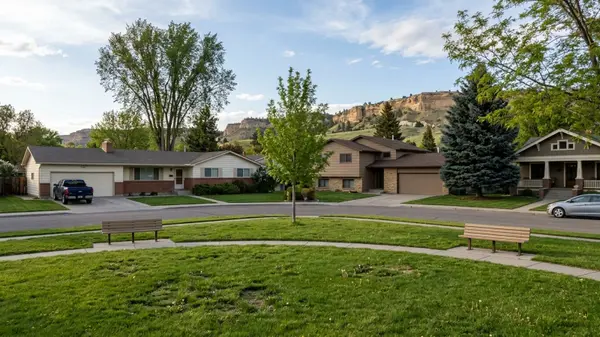
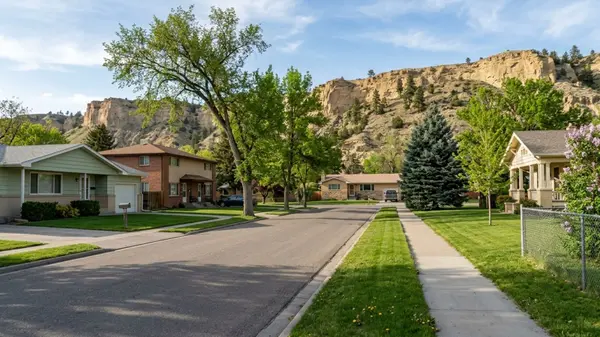
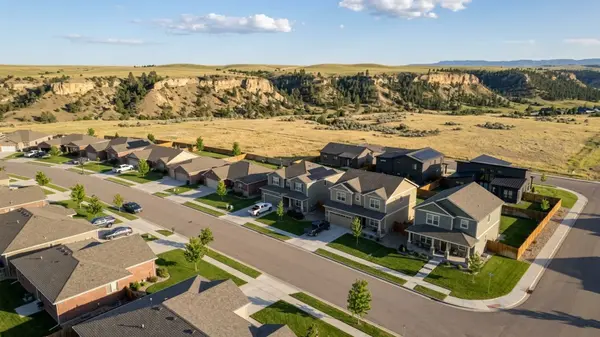
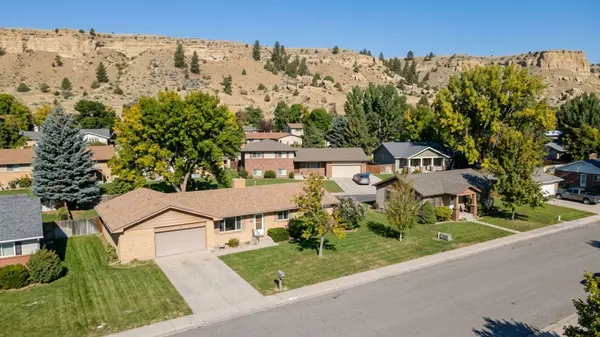
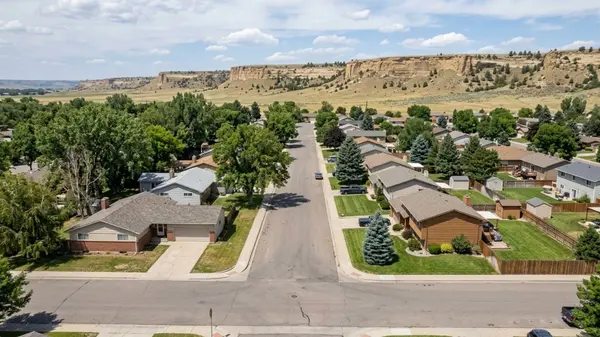
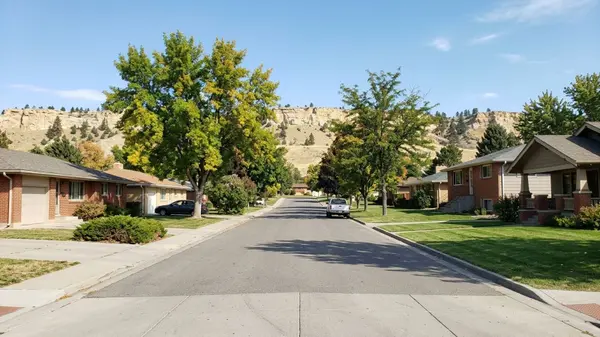
Billings is Montana's largest city, with roughly 120,000 residents (U.S. Census Bureau), and it serves a much larger region across eastern Montana and northern Wyoming. It is the regional hub for healthcare, retail, finance, energy, agriculture, and construction. The Rimrocks form the city's defining landmark and shape views, access, and how neighborhoods are laid out. The Yellowstone River, the city trail system, Pictograph Cave State Park, and Four Dances Recreation Area put the outdoors close to town, and Billings Logan International Airport runs year-round service to major hubs. [VERIFY + CITE the current population figure and airport routes before publishing; both change.]
How Billings is commonly divided
These are broad orientation areas, not exact boundaries. Conditions, housing, and access can change street by street.
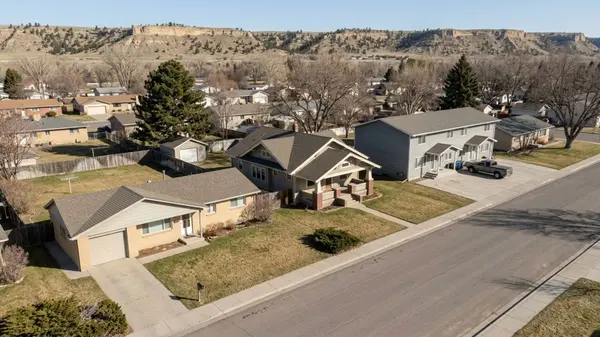
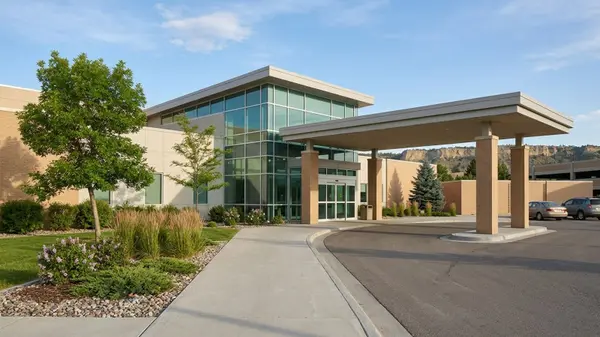
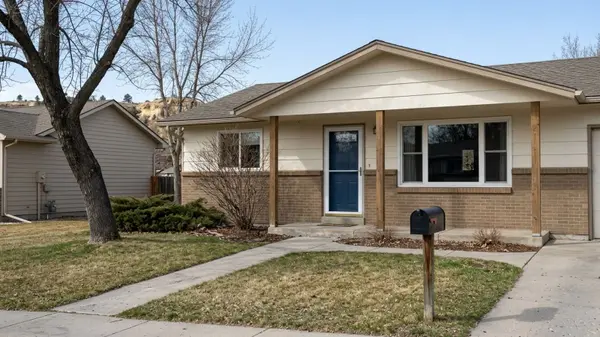
Downtown and the medical corridor mix historic housing, apartments and condos, offices, restaurants, and the two major hospital campuses. The central and established West End is a wide mix of mid-century homes and mature landscaping with straightforward access to downtown and West End services. Shiloh and the far West End is where you find newer subdivisions, continued commercial growth, and a broad range of newer single-family and attached housing. The Heights and Alkali Creek sit north and northeast of downtown, with access shaped by the Rimrocks and key north-south routes, and housing that ranges from established streets to newer subdivisions. South Billings and the river corridor blend residential, commercial, and recreational uses, and reward a close look at the specific property and any floodplain information. Outside the city limits, Laurel, Lockwood, Shepherd, Huntley, Ballantine, Worden, and rural Yellowstone County offer different lot sizes, utility arrangements, and commute patterns. I break these down street by street in my Billings neighborhoods guide.
Start with tradeoffs, not labels
There is no universally best part of Billings. The right fit depends on the practical factors that shape your daily life and long-term ownership: the routes you will actually drive to work, school, and healthcare; whether you want established or newer construction; the ownership costs beyond purchase price like taxes, insurance, utilities, HOA dues, and snow removal; how long you expect to stay and what resells well; and how a place feels on the ground at different times of day. For schools, safety, and zoning, I always point people to the official sources rather than broad reputations, because those are the decisions you want to make on primary data.
The relocation process, first call to keys
The goal is not to show you every house. It is to narrow the decision, protect your timing, and help you buy with context. I run it in six steps: define the move (timing, financing, current-home sale, work location, and the tradeoffs you will make), orient the market (compare areas, housing types, and realistic options in your budget), build a focused search and refine it against real properties instead of a long feature list, tour strategically using virtual previews and route planning so a short visit is not wasted, offer with context on pricing and condition and timeline, and coordinate the move through inspection, appraisal, title, and the local vendor connections you will need.
Buying from out of state
A lot of my relocation clients buy before they can spend much time here, and it works when the process is built for it. I run coordinated live video tours, give you honest read-outs on condition and surroundings, and make sure you are not deciding off listing photos. Recently I helped a family relocating from Hawaii do exactly this, handling communication, documents, and the inspection they could not manage in person. The standard for documentation and communication just has to be higher, which is the part I own. Here is my full breakdown on buying a home sight unseen in Billings.
Sell before you move, or buy first?
A relocation plan can fail when the home search starts before the sale, financing, and timing are clear. The questions to solve early: do you need proceeds from your current home for the Billings purchase, can you qualify before selling or would bridge financing fit, how much overlap between two homes can you carry, and what happens if one closing slips. I coordinate with your lender and, when it helps, your current agent, so the offer structure and timeline reflect the whole move and not just the Billings side. Do not let an automated home search dictate the order of operations. The financing and sale plan come first. More on relocation timing here.
Do your own homework with primary sources
I can help you find homes and explain the transaction. For the personal-priority decisions, use the official sources: Billings Public Schools for school boundaries, the City of Billings "New to Billings" resources, the CityView permit and inspection portal, Billings Logan International Airport for current routes, and U.S. Census QuickFacts for population and housing data. School assignments, airline routes, and public services change, so verify the specifics for a exact address before you decide.
Looking at acreage outside town? Read what to check on water and septic before buying acreage near Billings.
Relocating for a healthcare position? Read my guide for healthcare professionals moving to Billings.
Frequently asked questions
Is Billings a good place to relocate to? For a lot of my clients, yes. You get real city amenities, a genuine job market anchored by healthcare and energy, and quick access to the outdoors, without the prices of Montana's most expensive markets. Whether it fits comes down to budget, commute, and lifestyle, which is what I help you work through.
Which Billings neighborhood is right for me? It depends on your daily routes, your budget, and whether you want newer or established. The West End skews newer, the Heights gives more house per dollar, and downtown works for walkability. I match areas to your priorities rather than pointing everyone at the same place.
Can I buy a home in Billings without visiting first? Yes, and I do it regularly with relocation buyers using coordinated live video tours and honest condition read-outs, so you feel as informed as if you had walked it.
How long does relocating to Billings take? Usually several weeks to a few months once financing and your current-home sale are lined up. The most common delay is starting the home search before those two things are planned.
Do I need a local agent to relocate to Billings? A local agent earns their place on a relocation by knowing how areas actually differ, coordinating the parts you cannot handle from a distance, and keeping the financing and sale timing aligned. That is the work I do every week.
Plan your move with a local
Download the free Billings Relocation Guide for the full neighborhood orientation, local resources, and home-buying logistics. Or book a relocation strategy session and we will compare areas, housing, and timing before you schedule a trip: https://evrealestate.lofty.com/meeting/844565221197084/gene_hauck.
General relocation information, not legal, tax, or financial advice. Market conditions, boundaries, routes, and public services change. Verify the specifics for your address and consult qualified professionals before deciding. Equal Housing Opportunity.
Categories
Recent Posts