The Magic City: A Deep Dive into the History of Billings, MT
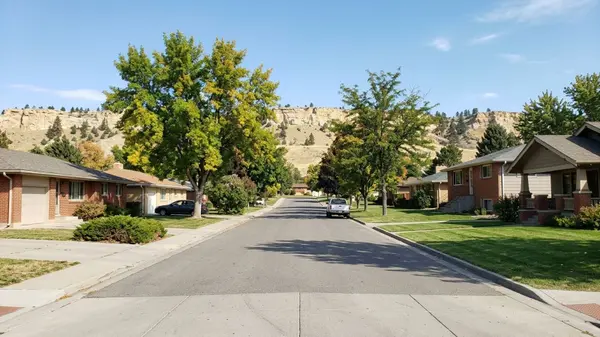
If you have been looking at homes for sale in Billings, you have almost certainly heard the nickname "The Magic City." It’s plastered on local businesses, mentioned in brochures, and spoken with a bit of pride by locals. But unlike other nicknames that might refer to scenery or weather, this one is purely historical.
Billings didn't grow gradually like many other frontier towns; it seemed to appear overnight, as if by magic.
To really understand the local market and why this city sits where it does, we have to look back at 1882. That was the year the Northern Pacific Railroad arrived, turning a patch of alkali flats near the Yellowstone River into what is now Montana’s largest city. But the story starts long before the first rail spike was driven.
Before the City: Native Lands and Early Explorers
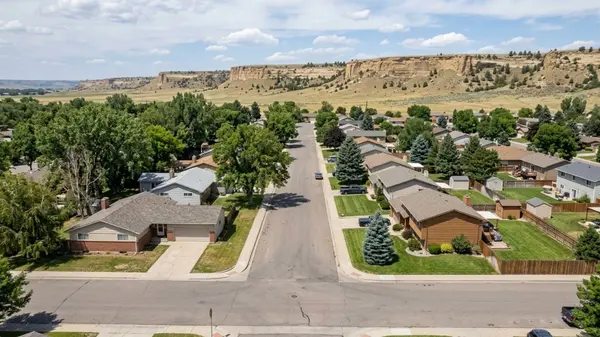
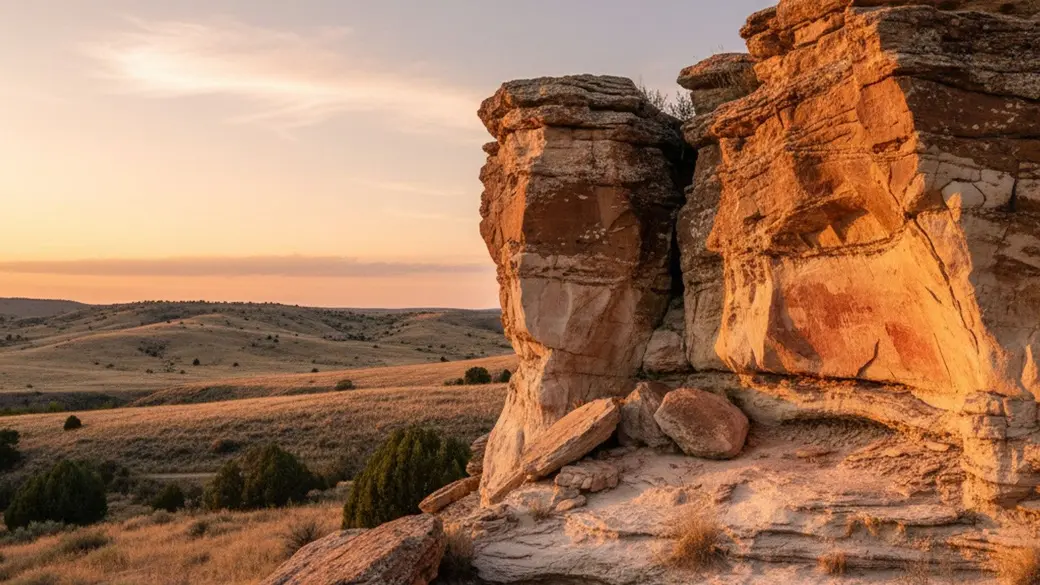
Long before real estate developers were platting subdivisions, the Yellowstone Valley was—and remains—a place of immense cultural significance. For thousands of years, this area served as home and hunting grounds for the Crow Nation (Apsáalooke). The geography here is defining; the famous Rimrocks that frame our city today provided shelter and strategic advantages for the earliest inhabitants.
If you want to see the physical proof of this deep history, you can visit Pictograph Cave. It’s just a short drive from downtown, but it holds artifacts and rock art dating back over 2,000 years, proving that this valley has always been a desirable place to stay.
The Lewis and Clark Connection
European exploration hit a major milestone here in 1806. As the Lewis and Clark Expedition made its return journey from the Pacific, Captain William Clark traveled down the Yellowstone River.
He stopped at a massive sandstone rock formation about 30 miles east of present-day Billings. He named it Pompeys Pillar after the son of Sacagawea. Clark carved his signature and the date into the stone, and remarkably, it is still there today. It is the only physical evidence of the expedition remaining along their entire route. It’s a great spot to visit if you are thinking about living in Billings and want to connect with the landscape’s origins.
1882: The Railroad and the End of Coulson
One of the most dramatic chapters in our local history involves a town you won’t find on a modern map: Coulson.
In the late 1870s, Coulson was a thriving river town located near where the current sugar beet factory stands. It had a post office, a brewery, and a hotel. The residents assumed that when the Northern Pacific Railroad came through, it would build a depot in Coulson, securing the town's future.
They were wrong.
The railroad bypassed Coulson entirely. Instead, they chose a site just a couple of miles west on the alkali flats. This new townsite was named after Frederick Billings, the president of the Northern Pacific Railroad. Even though Frederick Billings was a lawyer from Vermont who never actually lived here, his name became synonymous with the new hub of the West.
The railroad aggressively marketed the new town. In 1882, the original townsite was platted, and the effect was immediate. Coulson withered away almost instantly as businesses and residents packed up and moved the short distance to the rail line. It’s a stark reminder of how infrastructure drives real estate values—a rule that still applies today.
Why is Billings Called the Magic City?
We touched on this earlier, but the speed of growth in those early days was truly unprecedented. When the railroad arrived, Billings wasn't just a small settlement that slowly expanded. It exploded.
Within months of its founding in 1882, thousands of lots were sold. A tent city sprang up instantly, followed quickly by wood and brick structures. Engineers and observers noted that the city grew so fast it was like "magic," mushrooming from the plains in a matter of weeks.
From Tents to Trade Hub
The growth wasn't just residential. Montana Avenue became the backbone of the city, lined with hotels, supply stores, and saloons to serve the railroad workers and cattlemen. This rapid expansion established Billings as the "Midland Empire"—a term you will still hear today. It refers to Billings’ role as the central trade and distribution hub for a massive region covering Eastern Montana and Northern Wyoming.
Historical Landmarks and Legacies
If you are touring neighborhoods and getting a feel for the area, you will see physical reminders of this golden era scattered throughout the city. We have managed to preserve quite a bit of that early character.
-
The Moss Mansion: This is perhaps the most famous historic home in the city. Built in 1903 by Preston Moss, a banker and entrepreneur, it symbolizes the wealth that flowed into Billings shortly after its founding. It was designed by the same architect who did the Waldorf Astoria in New York.
-
The Billings Depot: Located downtown, this was the literal lifeline of the city. It has been beautifully restored and now serves as an event center, but standing on the platform gives you a sense of what it was like when the trains were the only way in or out.
-
The Western Heritage Center: Housed in the old Parmly Billings Library (built in 1901), this museum focuses on the stories of the Yellowstone River Valley. It is an architectural gem in its own right.
-
Boothill Cemetery: On a bluff overlooking the city, this small cemetery is the final resting place for some of the rougher characters from the frontier days. It’s a reminder that early Billings was a grit-and-grind western town.
From Frontier Town to Modern Economic Hub
So, how does all this history affect you if you are looking to buy a home here today?
The transition from a railroad and cattle town to a modern city has been surprisingly smooth because the fundamentals haven't changed. Billings is still the "Midland Empire." While we aren't just shipping cattle anymore, that same logistical advantage has made the city a center for energy (oil and natural gas) and a massive regional healthcare destination.
Because Billings was designed from day one to be a trade hub, it has a level of economic stability that other boom-and-bust towns lack. The location that made it perfect for the Northern Pacific Railroad in 1882 makes it perfect for distribution and commerce in the 2020s.
When you look at the Billings relocation guide or drive through the established streets of the historic district, you are seeing the results of over 140 years of steady influence. The city has grown from a tent camp on the alkali flats to the economic engine of the region, but it has never lost that "Magic City" energy.
Frequently Asked Questions About Billings History
How did Billings, MT get its name?
The city was named after Frederick H. Billings, who was the president of the Northern Pacific Railroad at the time the city was founded in 1882. Interestingly, while he was instrumental in the town's creation and success, he was a Vermont native and never actually resided in the city named after him.
What is the oldest building in Billings?
While many of the original 1882 structures were temporary wood or tents that are long gone, the McAdow House (built in 1893) is often cited as one of the oldest surviving residences. For public buildings, the Western Heritage Center, housed in the former library built in 1901, is a prime example of the city's early permanent architecture.
Why did Coulson disappear?
Coulson effectively disappeared because the Northern Pacific Railroad bypassed it in favor of the current Billings townsite. Once the rail depot was established a few miles away, businesses and residents physically moved their buildings to be closer to the tracks, leaving Coulson to fade into history.
When was Billings, Montana founded?
Billings was officially founded in 1882. This coincides with the arrival of the Northern Pacific Railroad, which platted the town and sparked the rapid "Magic City" growth that followed immediately after.
Categories
Recent Posts