Navigating the Magic City: A Guide to Getting Around Billings, MT
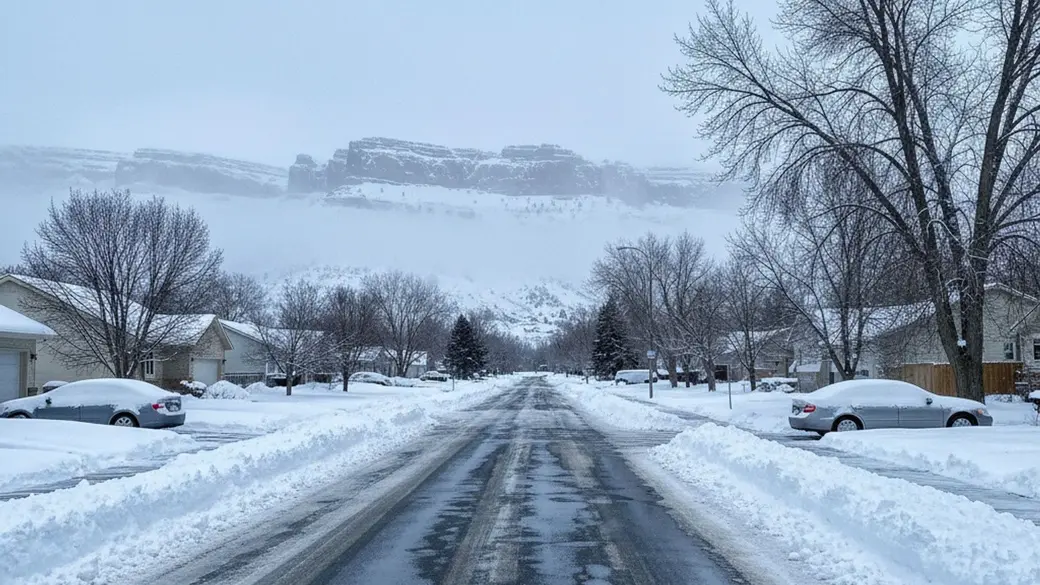
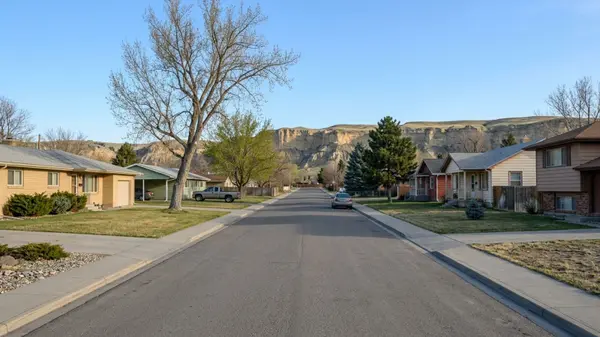
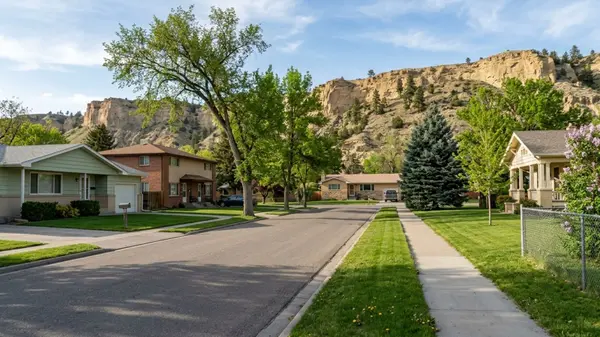
Billings is often called the trailhead to Montana adventure, but the first thing you’ll notice when you arrive is that the "Magic City" covers a surprisingly large geographic area. We are a sprawling regional hub, stretching from the sandstone Rimrocks in the north to the Yellowstone River in the south.
If you are moving here and asking the big question—"Do I need a car?"—the short answer is yes. While we have public transit options and a growing trail system, a personal vehicle is highly recommended for daily life. To truly enjoy everything from the downtown breweries to the hiking trails on the Rims, having your own set of wheels is the standard here.
Let’s break down exactly what you need to know about navigating the roads, the winter weather, and the transit options in Billings.
Driving in Billings: The Primary Mode of Transport
For the vast majority of residents, life in Billings revolves around driving. The city is laid out on a grid system that is generally easy to navigate, though the Rimrocks (often just called "The Rims") create a natural barrier that funnels traffic into specific north-south arteries.
Traffic here is nothing compared to major metros like Seattle or Denver. However, "rush hour" does exist. It typically hits between 7:30–8:30 AM and 4:30–5:30 PM. You will find that Shiloh Road in the West End and Main Street in the Heights can bottle up during these times. The West End is newer and retail-heavy with wider roads, while the Heights feels a bit more separate, connected to the rest of town by two main access points that can get busy.
Parking Logistics
One of the perks of living here is that parking is rarely a headache.
-
Downtown: You will find parking garages and metered street parking. The meters are active during business hours, but many locals use apps like Passport Parking to manage payments without digging for quarters. Even on a busy Friday night, you can usually find a spot within a block or two of your destination.
-
Suburbs (West End & Heights): Free parking is the rule, not the exception. Whether you are at the grocery store, the mall, or a medical clinic, vast surface lots make parking stress-free.
Surviving Montana Winters: Road Conditions and Safety
If you are relocating from a warmer climate like Texas or California, this is the most important section for you. Winter road conditions can be a factor from October all the way through April. It’s not something to fear, but it is something to respect.
The city prioritizes plowing main arteries like Interstate 90, 24th Street, and Main Street. These roads are usually cleared quickly. However, residential streets often remain packed with snow and ice for days or weeks. This is why driving behavior matters more than what car you drive—you have to increase your following distance and brake much earlier than you think.
Winter Gear and Vehicle Tips
While you don't legally require a truck, most locals will tell you that you need the right setup to get around safely:
-
Tires: All-season tires are the bare minimum, but dedicated snow tires are a game-changer.
-
Drivetrain: A vehicle with 4WD (Four-Wheel Drive) or AWD (All-Wheel Drive) is standard for a reason. It helps significantly with traction at stoplights and on hills.
-
Safety Kit: Keep a winter bin in your trunk. It should include a blanket, an ice scraper/brush, a small shovel, and a bag of sand or kitty litter for traction if you get stuck.
Public Transportation: The MET Transit System
Billings does have a public bus system called MET Transit. It is a solid option for specific commutes, but it requires some planning. It isn't a subway system with trains arriving every 5 minutes; it’s a bus network designed primarily for the workday.
The coverage is strongest in the city core, connecting Downtown, the Medical Corridor, and major retail hubs. If you work a standard 9-to-5 in these areas, the bus is a reliable, budget-friendly option.
However, there are limitations you should know about before ditching your car keys:
-
Hours: Evening service is limited, and Sunday service is often unavailable or very restricted depending on the route.
-
Suburban Gaps: If you live in the far West End or new subdivisions in the Heights, the bus stops might be a significant walk from your front door.
-
Payment: You will need exact change (currently around $1.75 to $2.00) or you can use available mobile ticketing options.
For those with mobility issues, the city offers MET Plus, a paratransit service that provides curb-to-curb transportation, though this requires an application process.
Ride-Sharing and Taxis: Uber, Lyft, and Cabs
If you need an occasional ride, Uber and Lyft are active in Billings. However, the experience is different than in high-density cities. You generally cannot open the app and expect a car in 2 minutes.
Wait times typically range from 10 to 20 minutes, and availability can drop off late at night or very early in the morning. If you have a 6:00 AM flight, do not rely on finding a driver last minute—schedule the ride in the app ahead of time.
We also have local taxi services like City Cab and Yellow Cab. They are reliable alternatives, especially during peak times when ride-share surge pricing kicks in or drivers are scarce.
Airport Logistics: Getting To and From BIL
Billings Logan International Airport (BIL) is unique because of its location. It sits right on top of the Rims, offering incredible views of the city and the mountains beyond. Because it’s virtually in the center of town geographically, the commute to the airport is short—usually just 10 to 15 minutes from downtown or the West End.
Ground Transportation at BIL
-
Rental Cars: This is the primary rental hub for the region. You’ll find major desks like Hertz, Enterprise, and Alamo right inside the terminal.
-
Shuttles: Most major hotels in the downtown and West End areas offer complimentary shuttle service. It’s worth asking the front desk when you book your stay.
-
Parking: Unlike major hubs where parking costs a fortune, long-term parking at BIL is reasonably priced and within walking distance of the terminal.
Walking and Biking: Recreation vs. Commuting
Is Billings walkable? The answer depends entirely on where you are standing.
Downtown Billings is highly walkable. You can easily live, work, and socialize downtown without moving your car much. However, once you leave the city center, the city becomes very car-centric. The West End and Heights are spread out, making walking to the grocery store impractical for most.
The Trail System
For cycling and walking, the crown jewel is the Jim Dutcher Trail. This paved trail system runs along the Rimrocks and the Yellowstone River, connecting several parks over roughly 6.5 miles. It is fantastic for recreation, running, and weekend bike rides.
The city is working on expanding bike lanes, but commuting by bike can still be intimidating for beginners due to traffic speeds on major thoroughfares like 24th Street or King Avenue. The trail system spans approximately 45 miles of multi-use paths citywide, so you can certainly get around on two wheels, but it takes route planning.
Getting Out of Town: Regional Connectivity
One of the best parts of living in Billings is leaving it—to explore nature, that is.
Interstate 90 is the main vein running east-west through the city. It’s your gateway to everything. Heading west on I-90 gets you toward the mountains and ski areas. If you are looking for that iconic Sunday drive, the entrances to the Beartooth Highway—often called the most beautiful drive in America—are accessible via a short trip south of town.
For inter-city travel without a car, Jefferson Lines provides bus service connecting Billings to other major cities in Montana and neighboring states.
Frequently Asked Questions
Is public transportation free in Billings, MT?
No, public transportation is not free. A standard one-way fare on MET Transit typically costs around $1.75 to $2.00. There are discounts available for students, seniors, and veterans, and you can purchase monthly passes for better value.
Do I need a 4-wheel drive vehicle to live in Billings?
While you can technically survive with front-wheel drive, a 4-wheel drive (4WD) or All-Wheel Drive (AWD) vehicle is highly recommended. The extra traction is invaluable during winter storms, especially on the unplowed residential streets and the inclines leading up to the Rims.
Is Billings, Montana a walkable city?
Billings has a "Walk Score" that varies heavily by neighborhood. Downtown is very walkable with easy access to dining and entertainment. However, most residential areas in the West End and Heights are designed for cars, making walking for errands difficult.
Are there direct shuttles from Billings Airport to Yellowstone?
There is no public municipal bus that runs from Billings Logan International Airport directly to Yellowstone National Park. Visitors typically rent a car at the airport for the drive (about 2.5 to 3 hours), or book private charter shuttles and tour operators in advance.
Categories
Recent Posts