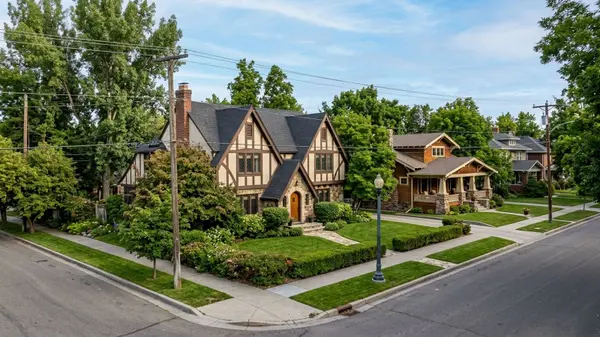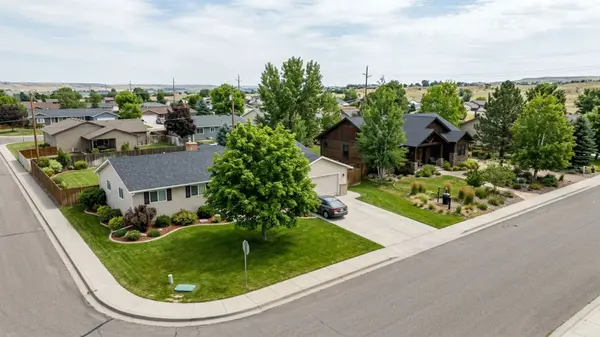
Billings MT vs. Missoula MT: The Battle for Big Sky's Best City
If you are looking at moving to Montana, you are almost certainly going to end up weighing the state’s two heavyweights: Billings and Missoula.
Locals often joke that these two cities feel like they belong in different states. On one side, you have the "Magic City" (Billings), a practical, industrial powerhouse sitting on the high plains under the shadow of the Rimrocks. On the other, you have the "Garden City" (Missoula), a lush, artsy university town nestled deep in the Northern Rockies.
The reality is that neither city is objectively "better," but they attract vastly different types of people. If you are trying to decide between the two, you have to look past the postcards and understand the daily trade-offs regarding your wallet, your career, and your lifestyle.
Let’s break down the differences between the two largest metro areas in Montana—Billings (approx. 120k metro) and Missoula (approx. 75k city, 120k county)—to see which one fits you best.
Round 1: Cost of Living & Housing Market
Let’s get right to the numbers, because this is usually where the decision is made. There is a stark difference in affordability between these two cities. Missoula has experienced a rapid surge in pricing often referred to as the "mountain tax"—you pay a premium for the views and the valley location.
Billings, by comparison, remains one of the most stable markets in the region. While prices have risen everywhere, your dollar simply goes much further in Yellowstone County than it does in Missoula County.
Here is a quick look at what you can expect for housing costs (based on 2025 market estimates):
-
Buying a Home: In Missoula, the median home price hovers between $550,000 and $575,000. In Billings, that median sits significantly lower, usually between $360,000 and $390,000.
-
Renting: The rental market in Missoula is notoriously tight due to the university population. You can expect to pay $1,500+ for a decent one-bedroom apartment. In Billings, vacancy rates are healthier, and a similar unit often runs around $1,100.
Day-to-day costs like groceries and utilities are fairly comparable across the state, though gas prices can fluctuate depending on proximity to refineries. However, if you are analyzing the overall cost of living in Montana, housing is the wedge that drives these two cities apart.
Round 2: Geography & Climate (The View From Your Window)
If housing is the financial differentiator, geography is the physical one. This is where the "Plains vs. Mountains" debate happens.
Missoula is located in the Northern Rockies at the convergence of five valleys. It is green, lush, and river-focused, with the Clark Fork River running right through downtown. If you want the feeling of being hugged by mountains on all sides with tall pine trees in your backyard, Missoula fits that bill.
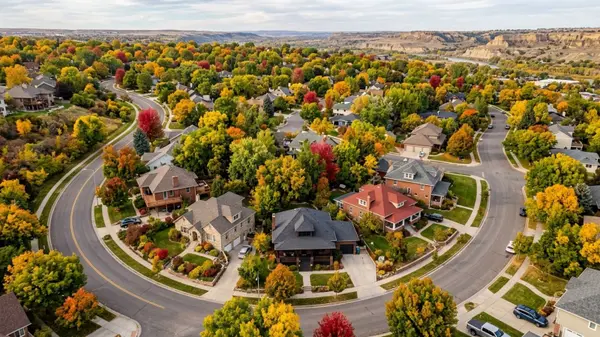
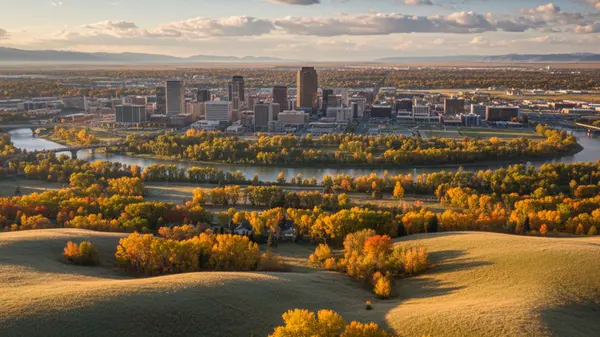
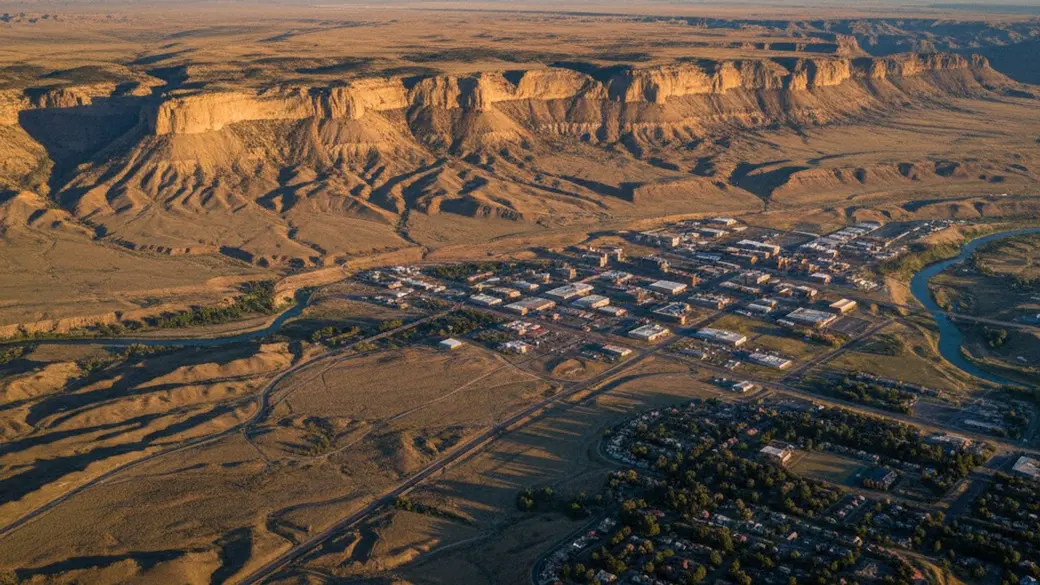
Billings offers a more rugged, high-desert beauty. It sits in the Yellowstone River valley, bordered by the famous "Rimrocks"—massive sandstone cliffs that overlook the city. It feels more open and arid. You are still close to the mountains, but you aren't living in them in the same way.
The Weather Showdown: The climate dictates the lifestyle here more than you might expect.
-
Missoula's Gray Winters: Missoula is prone to "Winter Inversions." Cold air gets trapped in the valley under a layer of warm air, leading to gray, gloomy clouds that can hang around for weeks. It’s milder temperature-wise, but the lack of sun can be tough.
-
Billings' Windy Winters: Billings gets the "Chinook Winds." These are warm winds that roar off the mountains, raising temperatures by 20–30 degrees in a matter of hours and melting snow rapidly. It is sunnier, but it is also windier and prone to sharper cold snaps.
-
Summer Heat: Billings is hotter, frequently hitting the 90s and 100s. Missoula is milder but often struggles with wildfire smoke getting trapped in the valley bowl during August.
Round 3: Lifestyle, Vibe & Politics
When you walk down the street in these two cities, the cultural "soul" feels distinct.
Missoula is often called the "Austin of Montana." It is home to the University of Montana (Go Griz!), which injects a youthful, academic energy into the town. The voting record here is decidedly liberal—a "Blue Dot" in a generally red state. The culture leans heavily toward the arts, local coffee roasters, river surfing, and a very active downtown music scene.
Billings is the industrial and commercial hub of a four-state region. The vibe is "cowboy meets corporate." It is generally more conservative and practical. You will see plenty of suits, but also plenty of cowboy hats, especially during major rodeo events. However, don't let the industrial reputation fool you; Billings has a massively underrated food scene and a brewery trail that rivals any in the Northwest.
Access to Nature
-
Missoula: You have hiking trails literally in town. You can hike "The M" on your lunch break.
-
Billings: You have the Rims for quick hikes, but for the big mountain experience, you are a trailhead city. You have to drive about an hour to get into the Beartooth Mountains or the Bighorns, but the crowds are often thinner once you get there.
If you are looking for things to do in Billings, the access to the Yellowstone River and the Rimrocks provides plenty of daily recreation, even if it looks different than the forested trails of Missoula.
Round 4: Economy & Job Market
If you are moving for work, the opportunities look different in each city.
Billings is the economic engine of Montana. It has a highly diverse economy anchored by three oil refineries, a massive regional retail sector, and a huge medical corridor that serves patients from Montana, Wyoming, and the Dakotas. Jobs here tend to be stable, abundant, and often pay well relative to the lower cost of housing.
Missoula’s economy is driven largely by education (University of Montana), tourism, and the service industry. There is a growing tech and creative sector, but the job market is smaller and more competitive. Because housing is so high, wages in Missoula often don't stretch as far as they do in Yellowstone County.
Round 5: Crime Rates & Safety Statistics
When researching these cities, you will inevitably see high crime statistics. It is important to look at the context rather than just the raw numbers.
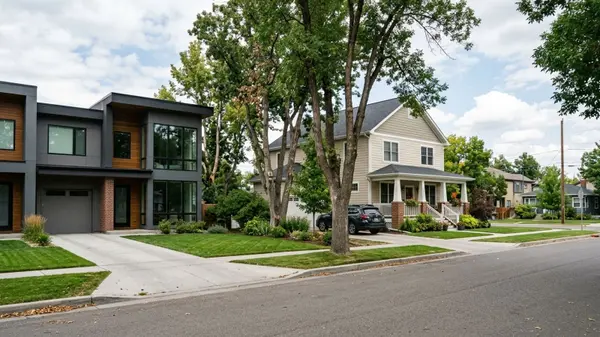
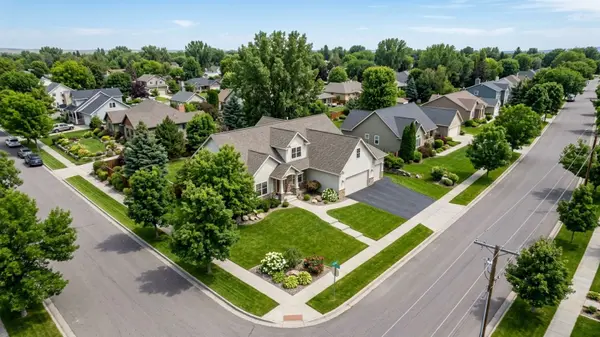
Billings often cites higher violent crime rates per capita. However, local law enforcement notes that this activity is often concentrated in specific zones and is linked to the city's status as a major transit hub along the I-90 and I-94 corridors. Most residential neighborhoods, particularly out in the West End or the Shiloh area, have a very different feel than the statistical average suggests.
Missoula faces different challenges. Residents often report higher visibility of property crime—such as bike theft and car break-ins—as well as issues related to homelessness. This is partly exacerbated by the high cost of housing and low vacancy rates.
In both cities, safety varies block by block. Areas like the Rattlesnake or South Hills in Missoula, or the Heights and West End in Billings, are popular residential districts where daily life is generally quiet.
FAQ: Common Questions
Is Billings or Missoula warmer?
Billings is generally warmer in the summer, with true high-desert heat. In the winter, Missoula usually has milder average temperatures, but Billings feels warmer to many people because it gets significantly more sunshine and Chinook winds that melt the snow.
Which city is closer to Yellowstone National Park?
Billings is the clear winner here. It is a primary gateway to the park via the Beartooth Highway (often called the most beautiful drive in America), which is about an hour and a half away. Missoula is much further west and serves closer access to Glacier National Park.
Is it cheaper to live in Billings or Missoula?
It is significantly cheaper to live in Billings. The median home price in Billings is roughly $150,000 to $200,000 less than in Missoula, and everyday expenses like gas and rent are generally lower.
Which city has better outdoor access?
Missoula has better immediate access, with forested trailheads walkable from downtown. Billings has excellent regional access, serving as a basecamp for the Beartooth Mountains, the Bighorn Canyon, and the Yellowstone River, though you typically have to drive a bit further to reach the deep timber.
Verdict: Who Should Live Where?
Choosing between "Zootown" and the "Magic City" ultimately comes down to what you value most in your daily life.
You should choose Billings if:
-
You want affordability and the ability to buy a home without stretching your budget.
-
You prefer sunshine in the winter over gray skies, even if it means dealing with the wind.
-
You work in healthcare, energy, or industry and want a stable career path.
-
You don't mind driving a little bit to get to the big mountains.
You should choose Missoula if:
-
You want a walkable university town with a vibrant arts and music scene.
-
You prefer a green, forested environment and want to hike immediately after work without driving.
-
You align with a more progressive, liberal cultural vibe.
-
You are willing to pay the "mountain tax" on housing for the lifestyle perks.
Categories
Recent Posts