Billings vs. Bozeman, MT: Which Montana Lifestyle Fits You?
If you are looking at a map of Montana and trying to decide where to plant your roots, you are likely staring at the two heavyweights: Billings and Bozeman.
As a Billings Realtor, this is one of the most common questions I hear from relocation buyers moving to Montana.
Both Billings and Bozeman have a lot to offer, but they attract very different people. Bozeman is known for its mountain-town lifestyle, skiing, and rapid growth. Billings offers a more affordable cost of living, a diverse economy, and many of the same outdoor opportunities without the price tag.
The right choice depends on your budget, career, lifestyle, and what you want your day-to-day life to look like. Here's how the two cities compare.
Cost of Living & Housing Market (2026 Data)
Let's start with the most significant difference between these two cities: affordability. If you are moving to Montana, you have likely heard that prices have gone up everywhere, but the gap between Billings and Bozeman is massive.
Housing Prices: The difference in home prices is stark. As of 2026, the median home price in Billings sits roughly between $380,000 and $415,000. In contrast, Bozeman’s median home price consistently hovers between $645,000 and $760,000 depending on the specific neighborhood. That is a premium of roughly 50% or more just to have a Bozeman zip code.
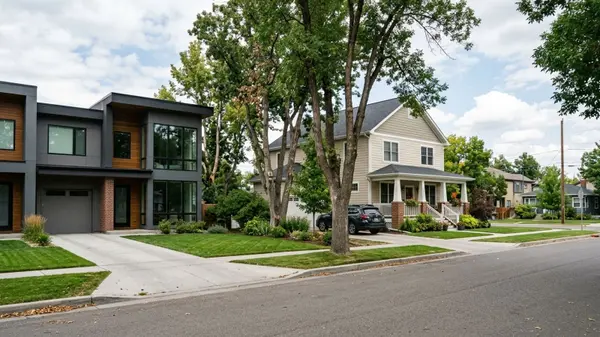
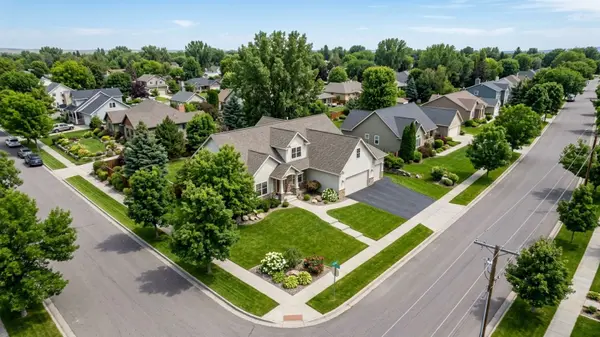
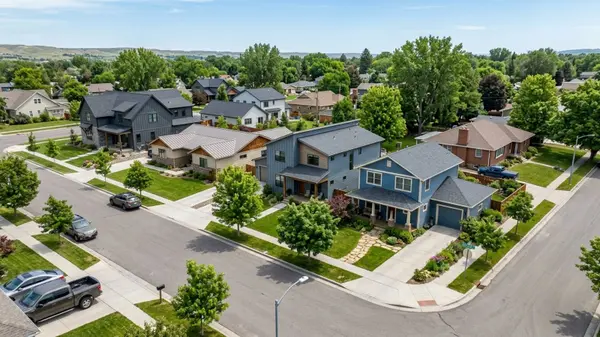
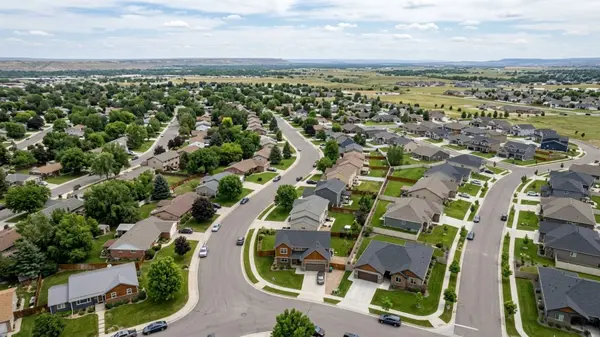
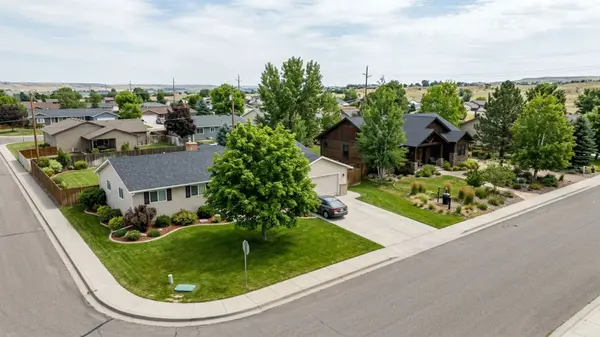
One thing many buyers don't realize is that the price difference affects more than the monthly payment. In Billings, it's often possible to find newer homes, larger lots, and more square footage for the same budget that might only buy a smaller home, townhouse, or condo in Bozeman. For buyers who want room to grow without stretching their budget, that's often one of the biggest deciding factors.
Rent and Monthly Expenses: The rental market follows the same trend. You can expect to pay significantly more in rent in Bozeman - some metrics show rents are nearly 90% higher there than in Billings for comparable units.
Beyond housing, your daily dollar stretches further in Billings. Gas, groceries, and utilities generally cost less here. This is often called the "Billings Advantage." For many buyers, the math is simple: living in Billings means you might afford a newer home with a yard and still have money left over for travel, whereas the same income in Bozeman might have you renting or stretching your budget to the limit.
If you are curious about what you can get for your money, checking out Billings real estate market trends is a smart next step.
Vibe, Culture & Politics: Red vs. Blue
Once you get past the checkbook, the biggest difference is the "feel" of the community. These two cities have distinct cultural identities.
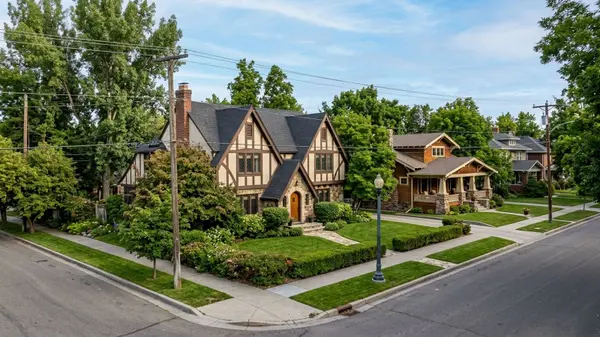
Bozeman: The College Town Feel: Located in Gallatin County, Bozeman is home to Montana State University (MSU). It has a younger demographic, a high number of transplants, and a distinct "college town" energy. Culturally, it feels a bit like a mountain resort town mixed with a tech hub. You will see a lot of Patagonia vests, Subaru Outbacks, and third-wave coffee shops.
Billings: The Industrial Hub: Billings, the seat of Yellowstone County, is solidly Republican and Conservative. It has deep roots in the energy sector, agriculture, and trucking. The vibe here is more "working-class" and grounded. It is a place where Carhartt is worn for work, not just fashion. The culture revolves around the MetraPark (huge for rodeos and concerts), local breweries, and classic steakhouses.
It really comes down to what you want your neighborhood to feel like. Do you prefer the hipster, outdoor-chic vibe of a university town, or the grounded, western regional hub vibe of the Magic City?
Climate Showdown: Snow, Chinooks, and Sunshine
Both cities are in Montana, so you are going to get winter. However, the type of winter you experience is very different.
Snowfall and The Chinooks: Bozeman is in a mountain valley, which means it gets significantly more snow - often between 63 and 90 inches annually - and that snow tends to stick around. If you love a winter wonderland vibe, this is a plus.
Billings gets snow too (about 38 to 57 inches), but it rarely stays on the ground for long. This is thanks to "Chinook winds" - warm winds that blow in and can raise temperatures from near zero to 45 or 50 degrees in a matter of hours, melting the snow rapidly.
Temperature and Comfort: Billings generally has hotter summers, with highs frequently hitting the 90s. Its winters are punctuated by those mild Chinook spells, making daily driving and errands much easier in January compared to the consistently icy roads of Gallatin Valley. However, Billings is windier year-round. Bozeman offers cooler summers and a more consistent, colder winter climate.
Outdoor Recreation: Mountains vs. The Rims
If you are moving here, you probably want to play outside. Both cities offer incredible access to nature, but the terrain is different.
The Skiing vs. The Solitude: Bozeman wins hands-down if your life revolves around skiing. You have Bridger Bowl right outside of town and Big Sky Resort just an hour away. The trade-off is the crowds. Trailheads in Bozeman can be packed, and finding a parking spot for a Saturday hike can be a challenge.
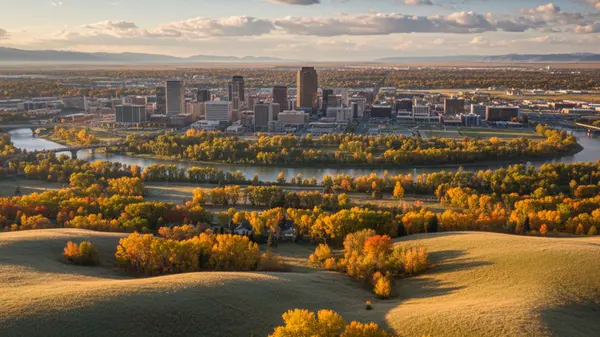
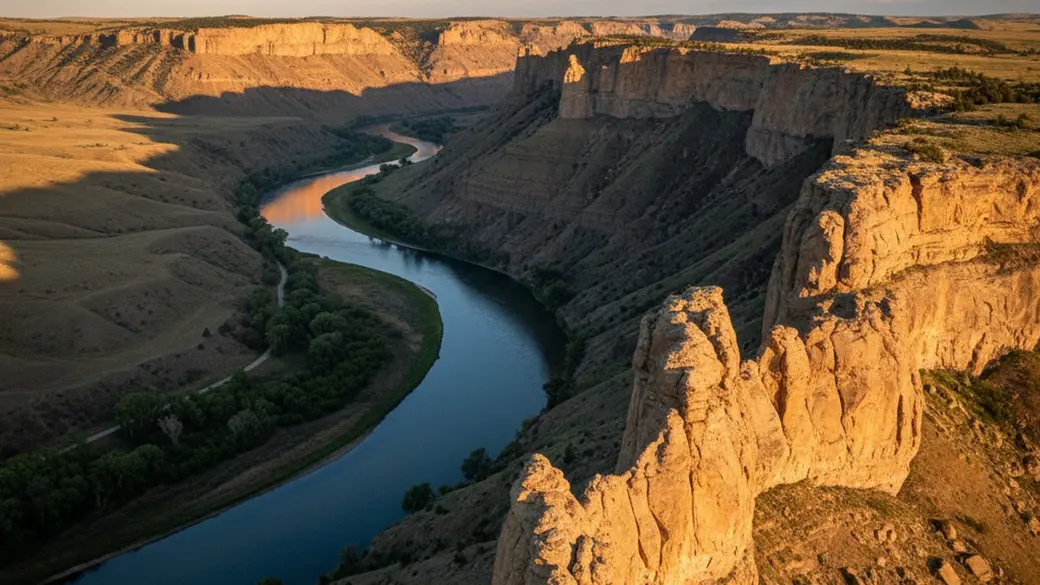
Billings offers a different kind of beauty. The city is framed by the "Rimrocks" (or The Rims), massive sandstone cliffs that offer technical biking and hiking right in town. The Yellowstone River also flows right through the city. While Billings isn't a ski town, Red Lodge Mountain is a fantastic ski hill just an hour away. It is less famous than Big Sky, but also far less expensive and crowded.
National Park Access: Both are gateways to Yellowstone National Park. Bozeman is closer to the West Entrance. Billings is the primary gateway to the Northeast Entrance via the Beartooth Highway, often cited as one of the most beautiful drives in America. If you are looking for things to do in Billings, exploring the nearby Badlands or the Bighorn Canyon offers a level of solitude you rarely find near Bozeman.
Job Market & Economy
How you earn your living might dictate where you live just as much as the housing prices.
-
Billings: This is the industrial powerhouse of the state. The economy is diverse and stable, driven by the energy sector (refineries), transportation, and logistics. It is also the medical hub for a massive region; the corridor along the Billings Clinic and Intermountain Health is a major employer.
-
Bozeman: The economy here is driven by technology, higher education, and tourism. Companies like Oracle have a presence here, and the ability to work remotely has turned it into a haven for tech workers. MSU is also a massive economic driver for the city.
Crime & Safety: The Statistics
When people look at the numbers, safety is often a top question.
Statistically, Billings often shows higher violent and property crime rates per capita than Bozeman. You might see it pop up on "most dangerous" lists. Locals will tell you that these statistics are often skewed by the fact that Billings is the regional hub for a massive geographic area (including parts of Wyoming and the Dakotas), bringing in a lot of transient traffic. Much of the activity is concentrated in specific zones rather than being spread city-wide.
Bozeman generally has lower crime rates and is statistically considered safer. However, as the population has exploded, the city is experiencing growing pains, with theft and property crime increasing.
Geography & Travel Logistics
Finally, let's look at the logistics of living in one and visiting the other.
-
Driving Distance: The two cities are about 142 miles apart via Interstate 90. It is an easy two-hour drive (in good weather), making it simple to live in one and visit the other for a weekend.
-
Airports: Bozeman (BZN) is currently the busiest airport in Montana, offering a huge number of leisure connections. Billings (BIL) is a strong business hub. It might have fewer tourist flights, but it offers very consistent service and is often easier to navigate.
-
Landscape: Bozeman feels like a nest surrounded by high peaks. Billings sits in the Yellowstone Valley, bordered by the river and the cliffs.
Frequently Asked Questions
Is Bozeman or Billings better?
It depends entirely on what you value. If you want mountain luxury, world-class skiing, and a college-town vibe, Bozeman is the winner. If you want affordability, urban amenities, and more house for your money, Billings is the better choice.
What is the driving distance between Billings and Bozeman?
They are approximately 142 miles apart. It usually takes about 2 hours to drive between them on I-90, assuming the roads are clear of snow.
Does Billings get as much snow as Bozeman?
No, Bozeman gets significantly more snow annually. Furthermore, Billings experiences Chinook winds which often melt the snow within a few days, whereas Bozeman's snow tends to accumulate and stay all winter.
Is Bozeman Democrat or Republican?
Bozeman (and Gallatin County) leans Democrat and is considered a "Purple" or Blue area in the state. Billings (Yellowstone County) is solidly Republican and Conservative.
Categories
Recent Posts