Understanding Weather Patterns in Billings, MT for Homebuyers
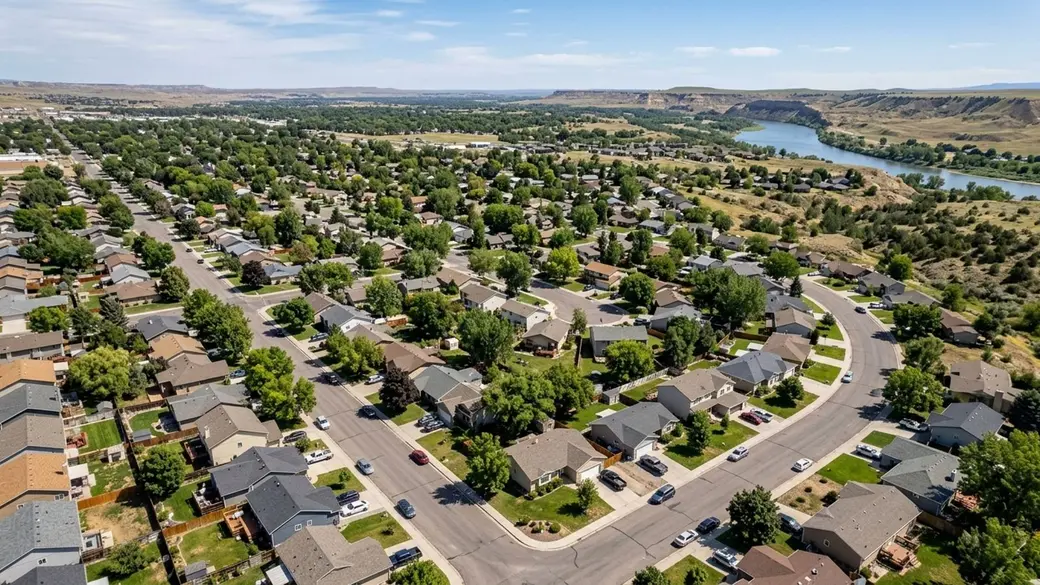
Billings sits at an elevation of about 3,123 feet in the Yellowstone Valley, and that geography shapes every aspect of living in Billings - daily commutes, home maintenance, what you'll pay to heat and cool the place. If you're seriously looking at property here, the climate isn't background noise. It's a budget line.
With annual snowfall averaging 49 inches and summer highs reaching into the 90s, the seasonal swings in Yellowstone County are real. The more clearly you understand them before you buy a house, the fewer surprises you'll deal with after you close.
A Quick Look at the Billings Climate
Billings runs a full four seasons with temperature swings that actually mean something. Most climatologists classify the area as a warm-summer humid continental climate, though you'll occasionally see it described as a mid-latitude steppe - and honestly, both labels fit parts of the experience.
What that means practically: warm, relatively dry summers, cold and snowy winters, and surrounding topography that shapes wind patterns and precipitation totals in ways that vary more than you'd expect across the valley.
Defining the Local Climate Zone
In the Köppen system, Billings is most commonly listed as Dfb - warm-summer humid continental. That designation means mild-to-warm summers and winters that sustain freezing temperatures for extended stretches. You'll also see it described as a semi-arid steppe climate, which captures the moderate annual rainfall side of things.
Whatever label you prefer, the practical result is the same: weather here changes fast, and the climate demands both dependable home heating and effective summer cooling. A property with an aging furnace or a roof that's seen better days isn't just an aesthetic problem - it's a liability.
What to Expect Season by Season
The transition between seasons in Billings and Yellowstone County isn't subtle. Residents adapt by winterizing homes in the fall and shifting their routines as spring opens things up again. Each part of the year carries distinct conditions that show up directly in utility bills and exterior maintenance costs.
Summer Temperatures and Conditions
Summer here is sunny and warm, with daytime temperatures frequently reaching the upper 80s. July is the hottest month - averaging a daily high of 87°F and a low of 58°F. Humidity drops during these warmer months, hovering around 40% in August, which makes the heat feel more manageable than you'd experience in coastal markets.
Winter Cold and Snow
January is the coldest month, with average highs around 36°F and overnight lows dipping to 16°F. Snow is a regular feature of the winter landscape, and it affects road conditions and commute times consistently. Plan for snow removal from driveways and sidewalks throughout the colder months - it's not occasional, it's routine.
Good insulation and a reliable heating system aren't optional here. They're the baseline.
Spring and Fall Transitions
Spring and fall offer moderate temperatures, but don't mistake that for predictable weather. A warm, sunny afternoon can be followed by a sharp temperature drop without much warning. These shoulder seasons are ideal for opening windows and giving the HVAC a rest. Fall in particular tends toward clear skies and crisp air as the summer heat works its way out.
Monthly Temperature Averages
The annual maximum temperature averages 63°F, but that number alone doesn't tell you much. The month-to-month variation is the part that matters for a homeowner. From January's freezing nights to July's warm afternoons, the range is wide enough that any property you're seriously considering should have a well-maintained HVAC system - not one that's "probably fine."
The Hottest and Coldest Times of Year
July peaks at an average high of 87°F. December and January sit at the other end, with daytime highs struggling to break 36°F and overnight lows regularly falling into the teens. January averages a low of 16°F. At those temperatures, pipe insulation isn't something to put off until next season.
Monthly Highs and Lows
Temperatures generally range from 16°F to 89°F across the year. They warm steadily toward summer, peak in July, then pull back through fall ahead of the winter freeze. It's a consistent cycle, and once you've lived through it once, you start to read the rhythm in how you approach maintenance - gutters in October, irrigation in May, that kind of thing.
Precipitation and Humidity Levels
Moisture levels here run low compared to the national average. The U.S. average for annual rainfall is 38 inches - Billings sees about 15 inches. That's a genuinely dry climate, and it's why you'll see irrigation systems as a standard feature on maintained properties rather than an upgrade.
Annual Snowfall
Rain may be scarce, but snow is not. The city of Billings averages between 46 and 49 inches of snowfall annually. That accumulates across the colder half of the year, and when you're walking a property, it's worth paying attention to the driveway - its length, its slope, and which direction it faces. Moving that much snow is a real commitment of time and effort.
Humidity Throughout the Year
The air stays dry for most of the year, which actually helps take the edge off the temperature extremes in both directions. August drops to around 40% humidity - comfortable by most standards. January is the most humid month, reaching around 76%, though cold air limits how much you actually feel it.
Severe Storms and Weather Hazards
The Northern Plains aren't shy about severe weather, and Billings is no exception. The region sees a higher frequency of severe thunderstorms than most of the Western Region of the National Weather Service. Roofs and siding take the most punishment from these fast-moving systems, and that should factor into your inspection checklist and your insurance budget before you close.
Tornadoes and Hail
The area has a documented history of severe hail and occasional tornadoes. A destructive EF2 tornado struck the city on Father's Day in 2010, stayed on the ground for 12 minutes, and damaged local structures including the MetraPark arena. Hail is the more frequent day-to-day concern - 128 reports of on-the-ground hail by trained spotters have been recorded here, and the National Weather Service issues severe weather warnings regularly during storm season.
Wildfire Risk and Summer Heat
Hot, dry summers create fire weather conditions that the National Weather Service monitors closely, issuing fire weather watches when low humidity, high temperatures, and gusty winds line up. High-based thunderstorms can generate erratic outflow winds that make things worse quickly. The city center is largely developed, but homes on the outskirts or near natural vegetation need to maintain defensible space. It's not theoretical risk out there.
Timing Your Visit or Move
Moving through a foot of snow in January is exactly as inconvenient as it sounds. You can avoid most of that by thinking ahead about when you schedule showings, inspections, and the move itself. The local market stays active year-round, but weather conditions shift the pace of showings and what you can actually see when you walk a property.
Ideal Months to House Hunt
Late spring through early fall gives you the most comfortable conditions for touring homes - moderate temperatures, accessible exteriors, landscaping you can actually evaluate. Summer is popular for moves, though you'll want to be ready for daytime highs in the 80s and 90s. Dry weather matters when you're loading a moving truck.
Comparing the Yellowstone Valley
The city's elevation of 3,123 feet creates microclimates across the valley, especially near the sandstone rims that border the area. A property tucked against the rims may experience different wind patterns or shade coverage than a home sitting in the open valley. Walking different neighborhoods gives you a feel for those differences in ways that a listing description never will.
How Weather Impacts the Local Housing Market
The climate here shapes what buyers prioritize and what holds its value. Attached garages, energy-efficient windows, and durable roofing materials carry a real premium in this environment - not because they're luxury features, but because they earn their cost back in utility savings and avoided repairs.
Buyers entering the market today will find a median home price of roughly $389,900. With about 583 homes currently in inventory, you have enough options to be selective about finding a property that's genuinely built for the conditions here, not just priced to move.
Daily Life and Comfort
Living here means settling into a four-season lifestyle. The dry summer heat works well for outdoor recreation. The snowy winters support regional winter sports. The average home stays on the market for about 57 days, which gives you time to evaluate a property carefully - including details like driveway orientation. A south-facing driveway will shed snow significantly faster than a north-facing one. It's a small thing that adds up over a Montana winter.
Current Housing Market Conditions
The market currently holds about four months of supply, which puts it in relatively balanced territory for buyers and sellers. Recent data shows 147 homes sold in a single month, reflecting steady local demand. As of mid-2026, the median sale price reflects a modest year-over-year increase of about 5.6%. Factor utility costs and seasonal maintenance into your overall cost of living - not just the mortgage payment - and you'll have a much more accurate picture of what ownership here actually costs.
Frequently Asked Questions
How often do roofs need to be replaced in Billings, MT due to hail storms?
It depends on which storms hit your specific neighborhood. The area sees frequent hail - 128 reports of on-the-ground hail by trained spotters - and asphalt shingle roofs here often sustain damage well before their standard lifespan runs out.
Do I need special wind and hail insurance for a house in Billings?
Yes, and review the policy details carefully. Given the area's higher frequency of severe thunderstorms and documented events like the 2010 EF2 tornado, standard coverage limits may need adjustment to adequately cover wind and hail damage.
How does the winter freeze-thaw cycle affect home foundations in Billings?
It places real stress on concrete foundations and driveways. With average winter lows at 16°F and daytime highs warming above freezing, water freezes and expands repeatedly - which is why proper grading around the home matters and is worth checking during inspection.
Is it a bad idea to list a house for sale in Billings during the winter months?
No. Homes sell throughout the winter. January is the coldest month with average highs of 36°F, but serious buyers stay active, and reduced inventory means your property tends to get more attention than it would in a crowded spring market.
Do homes in the Billings Heights experience different weather impacts than the West End?
Yes, minor microclimates exist across the city. At an elevation of 3,123 feet with varied topography, certain neighborhoods may see slightly different wind patterns or snow accumulation during storms - worth paying attention to depending on where you're focused.
What happens to my real estate closing if a Billings blizzard delays the final walkthrough?
It depends on what's negotiated in your contract. If a severe winter storm dropping part of the city's 49 inches of annual snow prevents access to the property, buyers and sellers typically agree to extend the closing date until a proper walkthrough can happen. Get that flexibility built into your contract terms before you need it.
Categories
Recent Posts