Healthcare and Hospitals in Billings, MT: A Local Guide
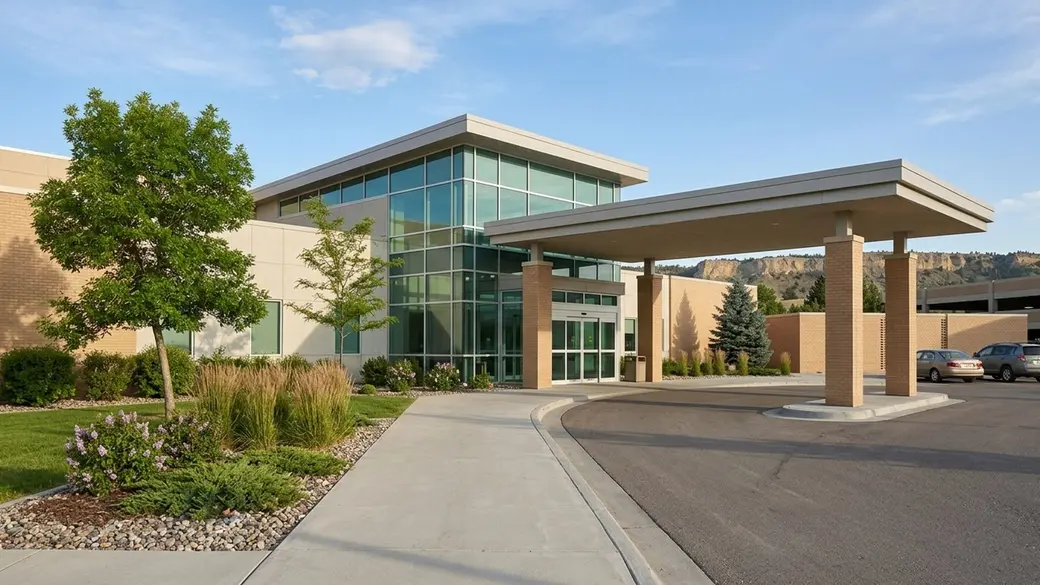
Billings is the regional healthcare hub for an enormous stretch of the northern Rockies - Montana, Wyoming, Idaho, and South Dakota all funnel patients here. If you're planning on living in Billings, there's a reasonable chance that proximity to these facilities is already on your checklist, whether you're joining the healthcare workforce or simply want reliable access to specialized care close to home.
The housing market near the medical districts gives you real options with competitive real estate prices. The median home sale price in Billings, MT has been running around $390,000, with homes sitting on the market for roughly 61 days. With about 671 active listings at any given time, you're looking at everything from historic downtown houses to newer suburban builds - there's no shortage of range.
Major Healthcare Networks and Medical Campuses
Two healthcare networks define the medical landscape here, and both run large campuses in the downtown area. They serve local residents, yes, but also a vast regional population that has nowhere else to go for this level of care.
That geographic reality matters: Billings is the only city with Level I trauma facilities within a 500 to 550-mile radius. Both major hospitals have now achieved Level I Trauma Center status, which means the highest level of surgical and emergency care available - not a designation handed out lightly.
Billings Clinic
Billings Clinic is Montana's largest independent healthcare system, and its main campus sits in downtown Billings with a 336-bed hospital handling acute and specialized care. Inside, you'll find a Surgical ICU and a Level III NICU for premature or severely ill newborns.
The hospital became Montana's first Level I Trauma Center in August 2023 - a designation that cemented its role in regional emergency response well before any competitor in the state could claim the same.
Intermountain Health St. Vincent Regional Hospital
St. Vincent Regional Hospital has been part of this community for over 125 years. After a merger with SCL Health, it's now part of Intermountain Health, which makes it part of the largest medical organization in the state and region.
Specialty services here include neuroscience, oncology, orthopedics, women's services, and heart and vascular care. St. Vincent earned its own Level I Trauma Center designation in April 2024 - so Billings now has two top-tier emergency facilities, which is not something most cities this size can say.
Pediatric and Specialized Care Options
There's no standalone children's hospital in Billings, but that doesn't mean pediatric care is an afterthought. St. Vincent operates a dedicated unit called St. Vincent Children's, structured as a hospital within a hospital - families can access inpatient pediatric care without leaving the city.
For more advanced pediatric needs, like specialized orthopedic or burn care, referrals typically go outside the immediate area. Shriners Children's operates out of Spokane, Washington, and runs occasional outreach clinics in Montana cities like Missoula and Kalispell - not Billings directly.
Living Near the Billings Medical Districts
The primary medical corridor runs along North 27th Street, which is one of the city's main arteries for getting around Billings. It connects the hospital campuses directly to Interstate 90, the Billings Heights area, and the local airport - a practical route that most hospital employees know by heart.
North 30th Street also moves through this corridor, providing secondary access to both Billings Clinic and St. Vincent. St. Vincent is currently expanding with a new hospital building along North 27th Street, which will only deepen healthcare's footprint in this part of town.
The Hospital Corridor Neighborhood
If you work at one of the hospitals and a short commute is non-negotiable, the designated Hospital Corridor neighborhood is worth a close look. It adjoins historic downtown Billings, North Park, and the North Elevation District.
Within the neighborhood, you'll find specific subdivisions - College Sub, the Poet Streets, and the Tree Streets. Residents here are within walking distance of both major hospitals, two local colleges, and the downtown commercial center.
Moving to Billings for a healthcare job? My guide for healthcare professionals moving to Billings covers renting versus buying around a start date, home prices across the city, and which medical degrees qualify for physician loan programs. For the rest of the move, see my guide to moving to Billings.
Frequently Asked Questions
What are the major hospital networks in Billings?
The two primary networks are Billings Clinic and Intermountain Health. Billings Clinic operates as an independent system, while Intermountain Health runs St. Vincent Regional Hospital. Together, they serve patients from across Montana, Wyoming, Idaho, and South Dakota.
Does Billings have a Level I trauma center?
Yes - two of them. Billings Clinic received that designation in August 2023, and St. Vincent Regional Hospital followed in April 2024. These are the highest-level trauma facilities in the region.
Where is the main medical district in Billings?
Downtown, primarily along North 27th Street and North 30th Street. That corridor connects directly to Interstate 90 and the airport, and it's where both major hospital campuses are located.
Which neighborhoods offer the easiest commutes to the downtown Billings hospitals?
The designated Hospital Corridor neighborhood is your best bet - residents can walk to work. It includes subdivisions like the Poet Streets, the Tree Streets, and College Sub, and it borders the North Park and North Elevation districts.
How do new residents handle basic services when moving to the medical district?
Buyers moving into the Hospital Corridor or surrounding subdivisions will need to establish their standard household services before moving in. You can easily transfer or set up local utilities in Billings to ensure your property is ready on day one. The process is generally straightforward for both historic downtown houses and newer suburban builds.
Are there options for seniors who want to live near the major hospitals?
The proximity to top-tier healthcare and two Level I trauma centers makes the city an attractive option for older adults. Buyers looking for specialized senior housing can find several retirement communities in Billings located a short distance from the main medical corridor. These locations offer easy access to the specialized care provided by Billings Clinic and St. Vincent Regional Hospital.
Categories
Recent Posts