Billings vs. Laurel: The Battle of the Yellowstone Valley
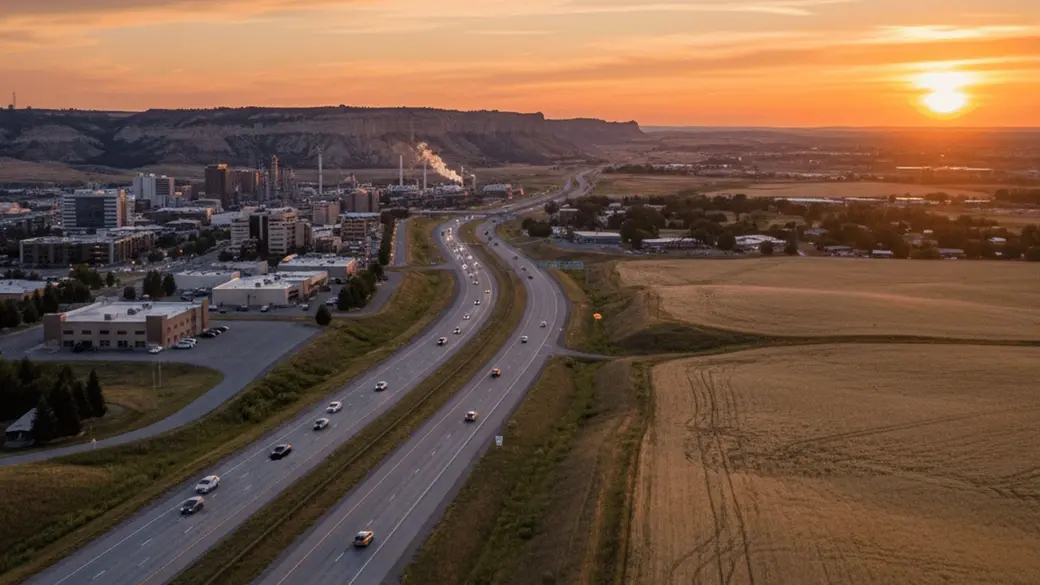
When people start looking at moving to the Yellowstone Valley, the decision often comes down to a simple geography question: Do you want to be right in the middle of the action, or just 15 miles down the road?
For a long time, the relationship between Billings and Laurel was clear-cut. Billings was the big city job hub, and Laurel was the quiet, affordable bedroom community. But as we settle into 2026, the lines have blurred. The price gap between the two has narrowed significantly, and choosing between them isn't just about saving money anymore—it’s about choosing a specific lifestyle.
I often sit down with buyers who assume Laurel is the automatic "budget option," only to find that the numbers tell a different story. Whether you are looking for urban convenience or small-town grit, here is how these two Montana communities actually stack up right now.
Lifestyle & Vibe: Magic City Hustle vs. Railroad Town Roots
The biggest difference between these two isn't the price tag; it's the atmosphere. You can feel the shift the moment you take the exit off I-90.
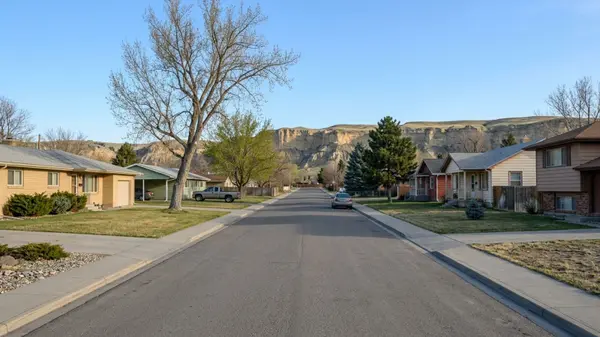
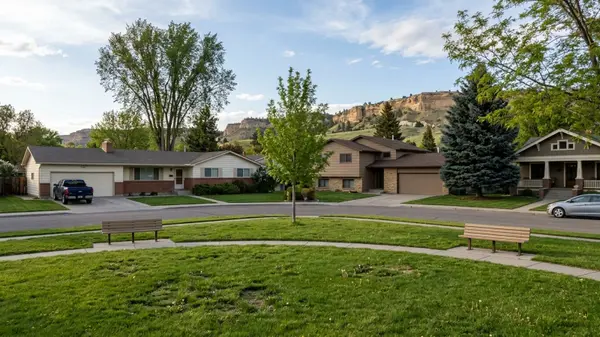
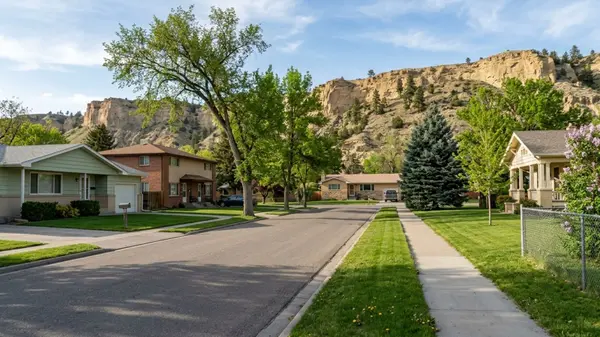
Billings acts and feels like the "Magic City" moniker it holds. It is the economic engine of a massive region. If you live here, you have immediate access to a bustling downtown, a growing brewery scene, the stunning Rimrocks for hiking, and the primary medical corridor for the state. It has the traffic and the noise that come with a metro area of over 120,000 people, but it also has the amenities. If you want to order takeout at 9:00 PM or need a specific specialist for healthcare, Billings delivers.
Laurel, on the other hand, is defined by its roots. It is a railroad town through and through, anchored visually and economically by the massive CHS (Cenex) refinery. It has a distinct blue-collar charm and a "know your neighbor" spirit that is harder to find in the sprawling subdivisions of Billings. It’s quieter, slower, and revolves heavily around high school sports and community events.
We also have to talk about the sensory experience. In Billings, your background noise is traffic and sirens. In Laurel, the refinery is a fact of life. Depending on which way the wind is blowing, you might deal with industrial odors. For locals, it’s just the smell of money and jobs; for newcomers, it can be a dealbreaker.
Cost of Living & Housing Market Comparison
Here is where the conventional wisdom often fails. A few years ago, you could reliably get "more house for your money" in Laurel. In early 2026, that isn't always the case.
Because Laurel is a smaller market with a population hovering around 7,000, inventory is tight. When a good home hits the market there, it often commands a competitive price per square foot simply because there isn't much else to choose from. Meanwhile, Billings has a vast range of inventory. From historic homes near downtown to the rapid new construction in the West End, the supply in Billings often helps keep prices in check relative to demand.
As of early 2026, the median home price in the area is hovering in the $370,000 to $395,000 range. You might find that a budget of $400,000 gets you a very similar quality of home in both cities. In fact, due to the volume of options, you might even find better deals in Billings during certain seasons.
One other major factor is the rental market. If you aren't ready to buy, Billings is the clear winner for options. Laurel has very few apartment complexes or townhomes for rent, whereas the cost of living in Billings includes a much healthier selection of rental units at various price points.
Property taxes are largely comparable since both sit within Yellowstone County, though specific city levies will vary slightly. Don't expect a massive tax break just by crossing the city limit line.
Safety & Crime Rates: The Nuance Behind the Numbers
If you look strictly at data websites, you might get a confusing picture of the safety in the Yellowstone Valley. It requires a little local context to understand.
Billings deals with the issues you expect in a regional hub. The volume of violent crime is statistically higher here than in rural areas, largely concentrated in specific pockets like parts of the South Side or downtown corridors. However, huge swaths of the city—like the Heights, the West End, and the Northwest—are generally very quiet.
Laurel has a different statistical quirk. You will often see it flagged for having a high property crime rate per capita—sometimes cited as a 1 in 28 chance of being a victim. Because the population is small, a string of car break-ins or thefts skews the percentages dramatically. Despite the stats, most residents I talk to report feeling safer in Laurel than in Billings. The lack of anonymity in a small town means neighbors are more likely to notice if something—or someone—doesn't belong on your street.
Commute & Location: The 15-Minute Drive
Living in Laurel usually means commuting to Billings. Whether it’s for work, entertainment, or a trip to Costco, you will get to know Interstate 90 very well.
The drive itself is easy—typically a straight shot that takes about 15 to 20 minutes. However, there is one specific annoyance that every Laurel commuter knows: the sun. If you work a standard 9-to-5, you are driving east into the sunrise in the morning and west into the sunset in the evening. It sounds minor, but battling sun glare every single day can be exhausting.
You also need to factor in gas and wear-and-tear. While housing costs might look similar, living in Laurel often requires more driving. Billings residents can make a quick 5-minute run to the grocery store. In Laurel, while you have local staples, major shopping trips turn into an "outing" to Billings, adding fuel costs to your monthly budget.
Schools & Education Options
For households with children, the structure of the school systems is a major differentiator.
Billings Public Schools is a large district. This brings advantages in terms of resources, such as the Career Center which offers vocational training, and a variety of AP courses across three major high schools. However, the experience can vary greatly depending on which neighborhood school you are zoned for.
Laurel Public Schools offers a unified, one-track experience. It’s a "Locomotive" town. Students here often start kindergarten and graduate high school with the exact same group of peers. This creates a tight-knit environment that many parents love, though it may offer fewer specialized electives compared to the massive catalog available in the larger city district.
Final Verdict: Who Should Live Where?
So, where should you plant your roots? Here is how the decision usually shakes out.
Choose Billings If:
- You value convenience and variety. You want to be able to choose between ten different Thai restaurants or hit a gym five minutes from your house.
- You want diverse housing options, from historic fixer-uppers to modern condos.
- You want immediate access to the airport and major healthcare facilities without a highway drive.
Choose Laurel If:
- You want a community where you recognize people at the grocery store.
- You don't mind the industrial backdrop of the refinery and prioritize a "blue-collar" town feel.
- You are okay with a short commute and want to escape the traffic and sprawl of the city at the end of the day.
Frequently Asked Questions
Is it cheaper to live in Laurel or Billings, MT?
As of 2026, the gap has largely closed. While Laurel was historically the cheaper "bedroom community," low housing inventory there means prices are now very competitive with Billings. You often find more affordable options in Billings simply because there are more homes to choose from.
How far is the commute from Laurel to Billings?
It is approximately 15 to 16 miles via I-90, which usually takes about 15 to 20 minutes. It is a quick, easy drive, though commuters often struggle with sun glare driving east in the morning and west in the evening.
Does Laurel, MT have a high crime rate?
Statistically, Laurel often shows a high rate of property crime (theft) per capita. However, this is partly due to its small population size skewing the percentages. Most residents report feeling very safe due to the tight-knit nature of the community compared to the urban sprawl of Billings.
What is the main industry in Laurel, MT?
The economic and visual anchor of Laurel is the CHS Refinery (Cenex). It is a massive employer and a key part of the local identity, though it does impact the town's visuals and air quality.
Categories
Recent Posts