Comparing West End vs Billings Heights Real Estate in Billings, MT
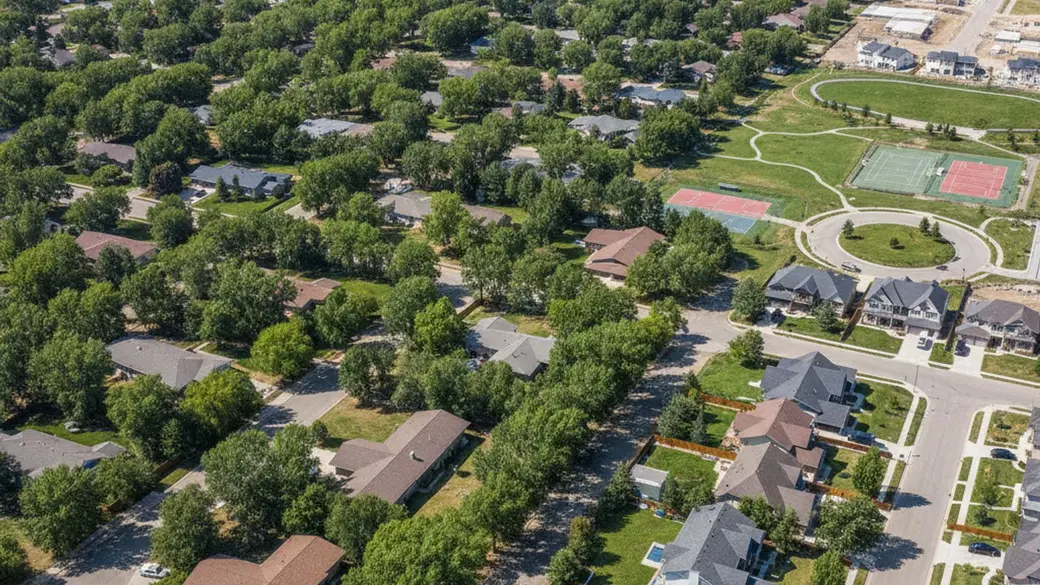
Buyers looking at homes in Yellowstone County tend to narrow their search to two distinct areas pretty quickly: the West End and Billings Heights. As two of the best neighborhoods in Billings, MT, these sides of town pull in different directions - different housing styles, different commercial strips, different morning commutes into downtown.
Choosing between them means looking closely at median prices, lot sizes, and how old the available homes actually are. The broader Billings, MT market has been active this year, with citywide median sale prices sitting around $389,900 and a four-month supply of inventory.
Comparing the Real Estate Markets
Based on mid-2026 data, homes across Billings are spending roughly 57 days on the market before selling. At any given time, you'll find around 580 available homes citywide - though how fast things move depends on the specific neighborhood in Billings and price point.
When you zoom into the West End and the Heights specifically, average sale times and asking prices start to diverge. A lot of that comes down to what's available: new construction in certain subdivisions pulls average prices up, while established homes in older sections hold things more affordable.
Home Prices in the West End
Median sale prices in the West End have ranged from $335,000 to $345,500 over the past year. That said, local asking prices frequently push into the $400,000 to $600,000 range - a reflection of what new-construction subdivisions expanding along the western fringe are commanding.
Historically, West End homes have sold faster than much of the rest of the city. Depending on the month and price tier, median days on market for the area have ranged from 16 to 47 days.
Home Prices in the Heights
Recent 2026 data puts median sale prices in Billings Heights around $395,000, with average home values estimated closer to $408,000. Single-family houses here typically range from $210,000 up to $450,000, depending on size and condition.
Things sell a bit slower in the Heights. The median is currently 75 days on market - which is actually an improvement from the 111-day average seen the prior year. More affordable listings sometimes move faster, averaging closer to 47 days.
Housing Styles and Architecture
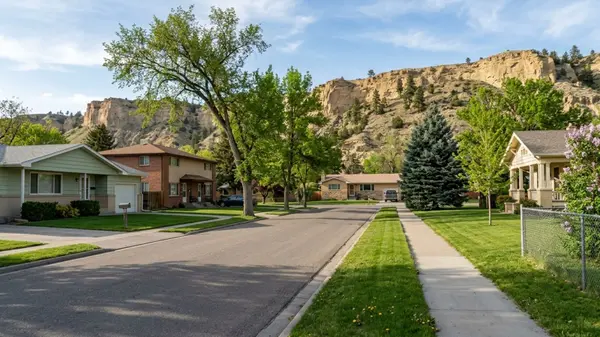
Billings expanded outward from its downtown core over many decades, and both the West End and the Heights reflect that history. You'll find mid-century construction alongside modern builds in either area, but the specific layouts and subdivision designs are quite different depending on where you land.
Pay attention to where a home sits within each neighborhood. Properties closer to the center of town reflect older building trends; the outer edges are where you'll find contemporary master-planned community designs.
Property Types in the West End
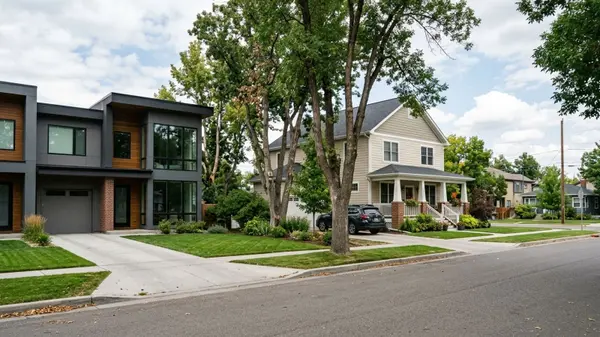
Closer to central Billings, the West End offers mid-century ranch and split-level homes built between the 1950s and 1980s. Push farther west - particularly near the Shiloh corridor - and the housing shifts to newer subdivisions with two-story layouts and modern Craftsman styles built from the 2000s onward.
The West End is also where you'll find some of Billings' larger master-planned communities. McCall Homes' Annafeld is a substantial multi-phase development that pairs residential housing with a small commercial node. Other subdivisions - Copper Ridge, The Nines, and 44 West - weave neighborhood greens and trail systems into their layouts.
Property Types in the Heights
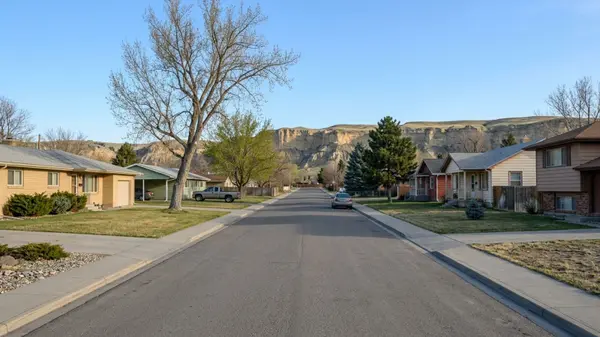
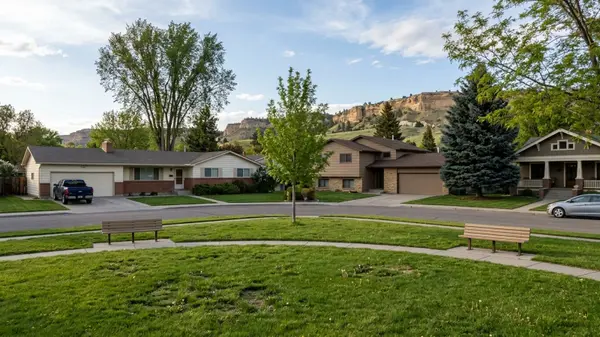
The Heights carries a large inventory of established bi-levels, Colonial Revivals, and traditional ranch-style homes, most of them built between the 1960s and 1980s. You'll also find brand-new modern traditional, Craftsman, and single-story builds on the outskirts.
Active subdivisions like High Sierra and Ranch at Lake Hills continue adding 21st-century development to the area. Those newer sections frequently include lots with scenic views and walkout basement potential.
Location, Commute, and Amenities
The West End neighborhood contains the largest retail district in the city. Dense commercial corridors along 24th Street, King Avenue, and state Route 302 give residents a wide concentration of shopping and dining without driving far from home.
In Billings Heights, Main Street runs straight through the center of the neighborhood. That corridor is lined with locally owned businesses alongside well-known chains - big-box retailers like Target, Albertsons, and Walmart - plus local spots like Tippy Cow Cafe, Montana Jacks, and Blues BBQ.
The Heights also has more than a dozen local parks set up for picnicking, baseball, soccer, tennis, and basketball. On the commute side, both neighborhoods have established routes into the heart of downtown, where most of the city's primary employment hubs are located.
Choosing Between the Two Neighborhoods
The honest answer is that it comes down to what matters most to you day-to-day. The West End gives you extensive retail access and newer master-planned communities with integrated trail systems. The Heights gives you a strong mix of established bi-level homes, large local parks, and new-construction lots with walkout potential. Touring open houses in both areas - rather than just looking at listings online - will give you a much clearer read on the floor plans and how each neighborhood actually feels on the ground.
Frequently Asked Questions
Is it more expensive to buy a home in the West End or Billings Heights?
It depends on the property type and subdivision. Median sale estimates for the West End run around $335,000 to $345,500, but asking prices in newer subdivisions often reach $400,000 to $600,000. In the Heights, median sale prices sit near $395,000, with single-family homes generally ranging from $210,000 to $450,000.
How does the daily commute to downtown Billings compare between the Heights and the West End?
Both neighborhoods have established routes into downtown Billings, where many employment hubs are located. The Heights relies primarily on the Main Street corridor for access. The West End connects residents to the city center via major arteries like 24th Street and King Avenue.
Which side of town is seeing more new construction and residential development in Billings, MT?
Both areas have ongoing new construction on their outer boundaries. The West End includes large master-planned communities like Annafeld, Copper Ridge, and The Nines along the Shiloh corridor. The Heights has active subdivisions like High Sierra and Ranch at Lake Hills, which offer new builds with potential walkout lots.
Does the West End or the Heights offer better access to shopping, dining, and local amenities?
The West End is home to the largest retail district in the city, with dense commercial corridors along 24th Street and King Avenue. The Heights also has substantial amenities - big-box stores like Target and Walmart along Main Street, plus local spots like Tippy Cow Cafe and Blues BBQ.
What are the biggest drawbacks to buying a house in Billings Heights versus the West End?
Homes in the Heights have recently taken longer to sell, averaging 75 days on the market compared to the faster pace typically seen in the West End. Buyers specifically looking for the master-planned trail systems found in the West End's newest subdivisions will find fewer of those exact layouts in the Heights.
Which neighborhood is generally considered better for families relocating to Billings, MT?
That's worth evaluating based on housing styles and commute preferences rather than broad labels. The Heights has more than a dozen parks with sports fields. The West End has master-planned communities with integrated trail systems. Both offer things that matter to families - what weighs more depends on yours.
Categories
Recent Posts